
8
Tarwiyah · Ihram and Mina
Enter Ihram from the correct place, recite the Talbiyah, travel to Mina and pray the five prayers there. Spending this night in Mina is Sunnah rather than a pillar.
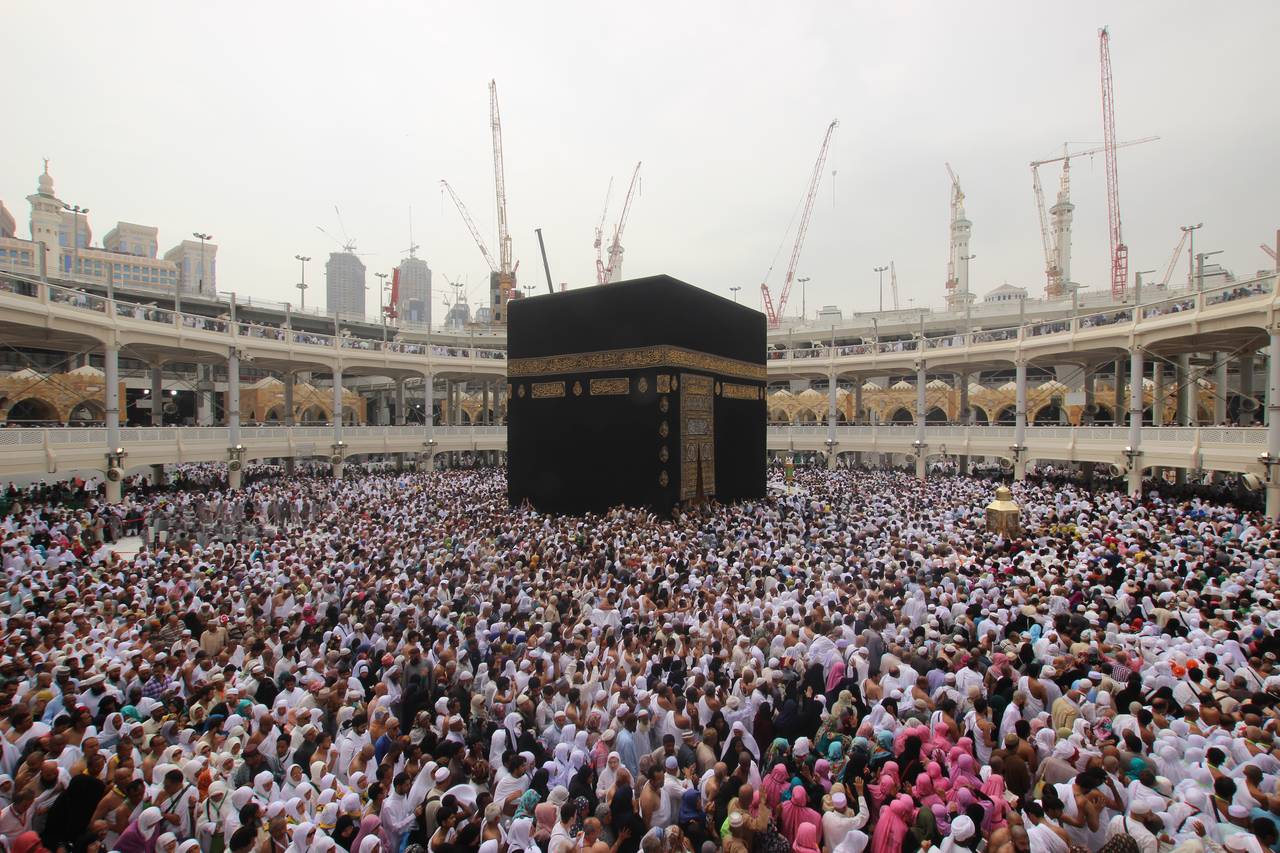
A calm, practical companion to the rites—from Ihram and Mina to Arafat, Muzdalifah, Jamarat and the Farewell Tawaf.
Seasonal snapshot: Hajj 1447 / 2026. The main rites run from 8–12 Dhul Hijjah, or through the 13th for pilgrims who take the valid extra stoning day; matching Gregorian dates depend on the Saudi moon sighting. For any later season, recheck Nusuk, visa and health rules before booking.
Know what is a pillar, what is mandatory, and what is recommended. Keep your group’s assigned schedule, protect your health, and ask an on-site scholar when a rite is missed or uncertain.
Verified rule
Grounded in a live-read religious, health or travel source.
Community advice
Practical help, clearly separated from official requirements.
The Hijri sequence begins on 8 Dhul Hijjah and ends on the 12th or 13th, depending on the valid departure option taken. Gregorian dates move each year. The sequence below follows a live-read Hajj rulings guide and cross-checked travel research.1
All three forms are valid, but Ihram, Umrah and sacrifice differ. Your approved provider and scholar should confirm your form before you travel. The main timeline below shows the shared Hajj days and flags the principal Tamattu’/Qiran differences.9
Perform a complete Umrah first, leave Ihram, then enter a new Ihram for Hajj on the 8th. Hady is required. A pilgrim completing Tamattu’ performs Sa’i for Umrah and Sa’i again for Hajj.
Combine Umrah and Hajj in one Ihram and remain in Ihram until the Eid-day release. Hady is required. Tawaf and Sa’i details should follow the group scholar’s guidance.
Enter Ihram for Hajj alone and remain in it until the Eid-day release. Hady is not required solely for choosing Ifrad. Sa’i may follow the arrival Tawaf or Tawaf al-Ifadah.
Enter Ihram from the correct place, recite the Talbiyah, travel to Mina and pray the five prayers there. Spending this night in Mina is Sunnah rather than a pillar.
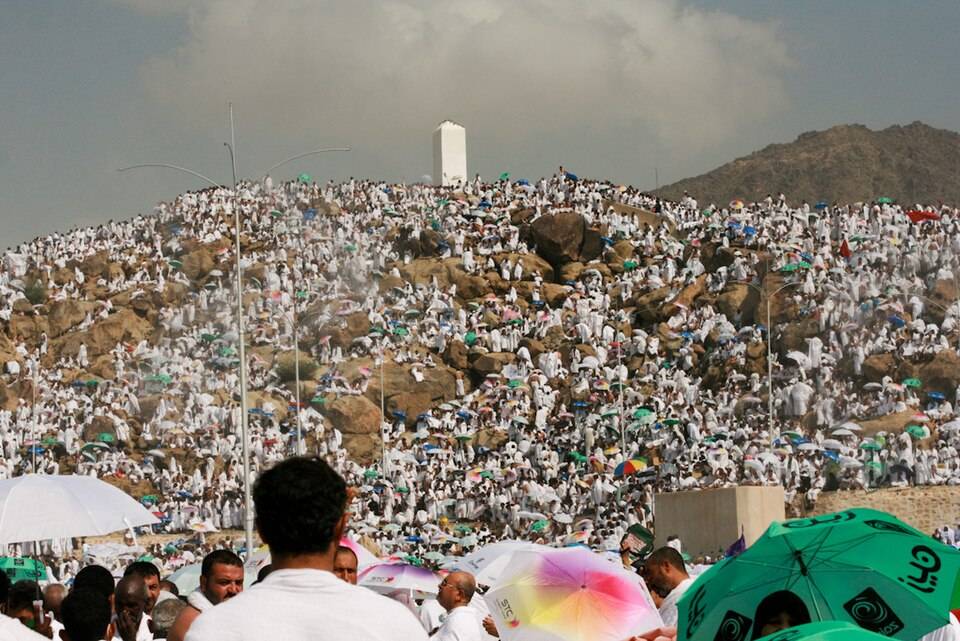
After Fajr, travel from Mina to Arafat. Wuquf runs from Dhuhr until sunset. Make du’a anywhere inside the Arafat boundary; during dangerous heat, remaining in shade or an air-conditioned structure is valid and safer.
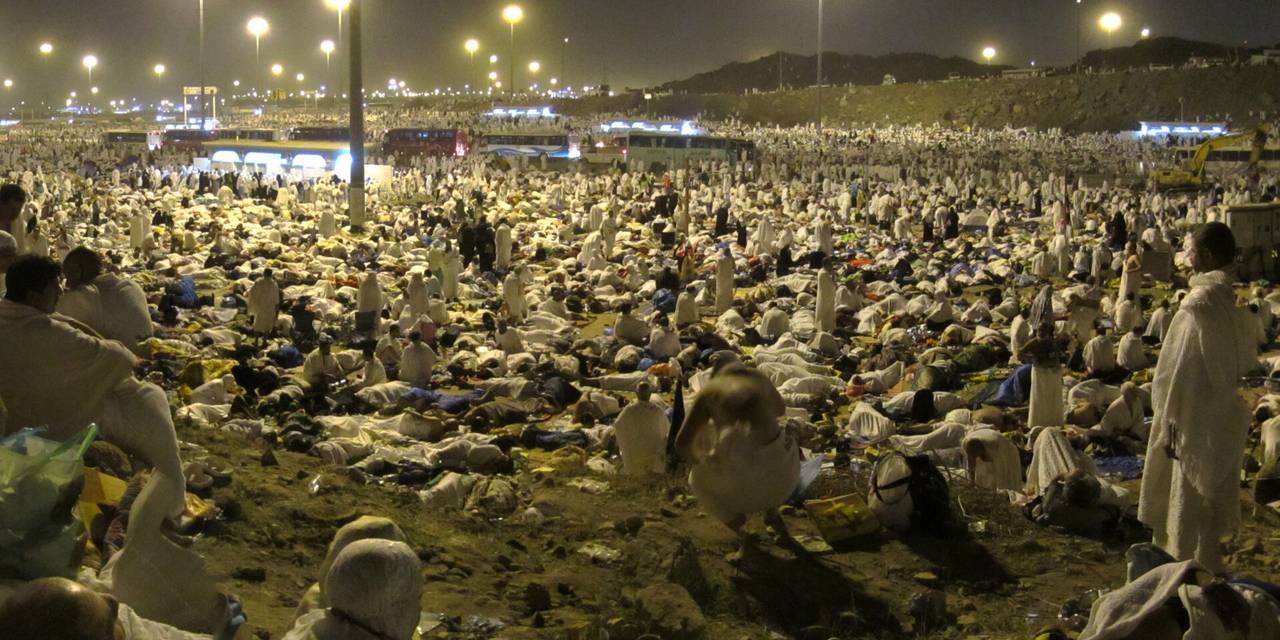
Leave Arafat after sunset without praying Maghrib there. At Muzdalifah, combine Maghrib and Isha, spend the night, collect small pebbles and leave with your group after Fajr. Research guidance suggests roughly 49–70 pebbles across the stoning days; follow your scholar and group plan.
After stoning plus sacrifice/shaving, Ihram restrictions lift except sexual relations; after Tawaf al-Ifadah, all lift.1
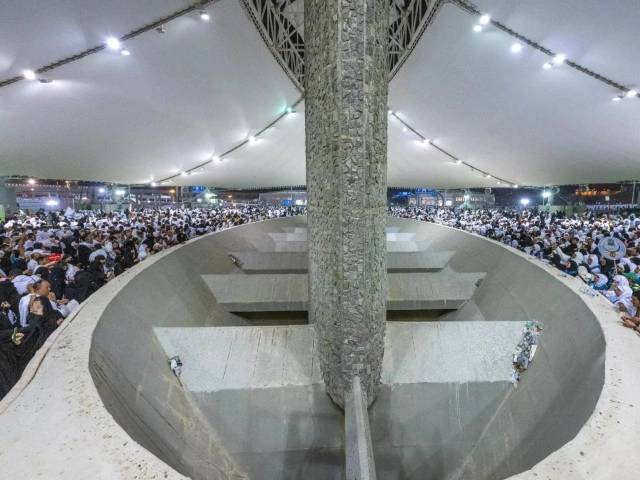
Each day, stone all three Jamarat in order: smallest, middle, then al-Aqabah—7 pebbles at each. Spend the nights in Mina. Leaving before sunset on the 12th is permitted; staying for the 13th is optional. Use only your assigned bridge level and time.
Make Tawaf al-Wada’ your final circumambulation before departure. It is wajib; missing it without an excuse generally requires compensation. Menstruating women are exempt according to the cited rulings source.1
Majority view: Ihram, Wuquf at Arafat, Tawaf al-Ifadah and Sa’i. Missing one invalidates Hajj. Madhhab classifications differ, so follow qualified guidance.
Ihram from miqat; remaining at Arafat until sunset; Muzdalifah night; stoning; hair cutting; Mina nights; sacrifice for Tamattu’/Qiran; Farewell Tawaf. A missed wajib generally calls for compensatory sacrifice.
Arrival Tawaf, two rak’ah after Tawaf, the men’s running section of Sa’i, the night of the 8th in Mina, and extended du’a at Arafat. Omission carries no penalty.
For the 2026 Direct Hajj Program, the only recognized booking route for pilgrims in the covered Muslim-minority countries was Nusuk Hajj. Packages offered outside the platform were unauthorized.2
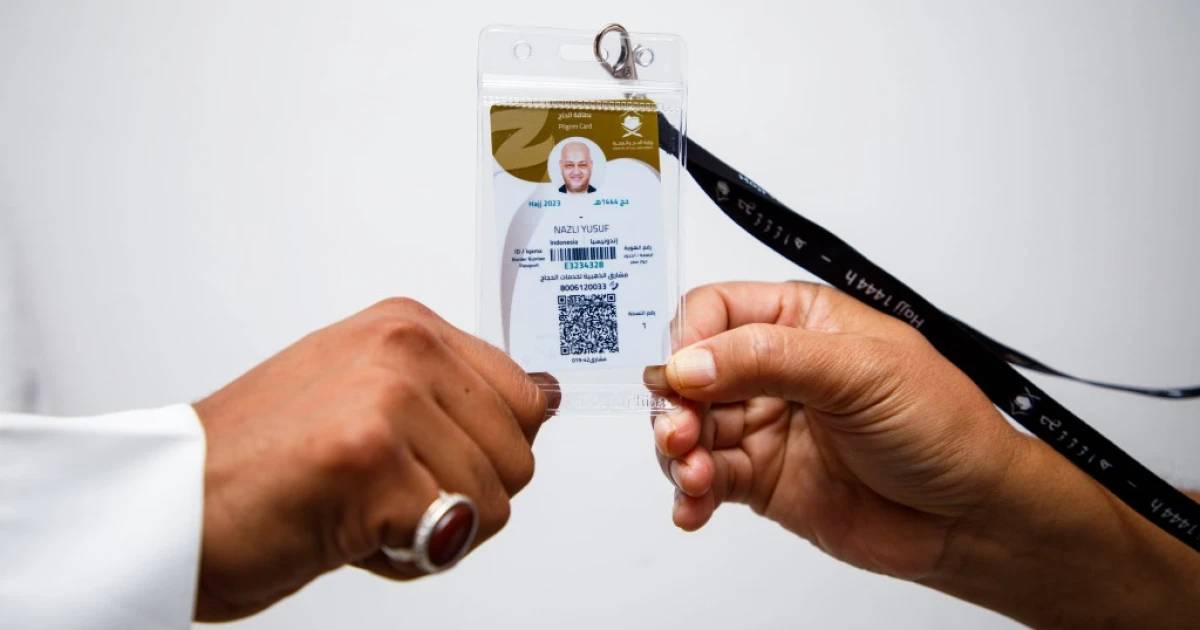
Research for the 2026 season reported that one account could include up to 7 family members in addition to the applicant. Registration opened 7 October 2025 with account creation before later package and payment phases. These timings and limits must be rechecked for later seasons.
Research guidance says the passport should have at least six months’ validity. Confirm the rule shown for your own country and season.
Rough, non-official 2026 estimates: US/UK/Europe about US$8,000–15,000+; South/Southeast Asia about US$4,000–8,000. These are community ranges, not quotes or guarantees.
Do not pay a “guaranteed Hajj” seller outside Nusuk. Pressure to use a personal bank account, cash or an unofficial link is a red flag.
Requirements below are the Hajj 1447 / 2026 snapshot. Vaccine rules and fitness criteria can change; confirm them with the Saudi health guidance and your approved provider before travel.
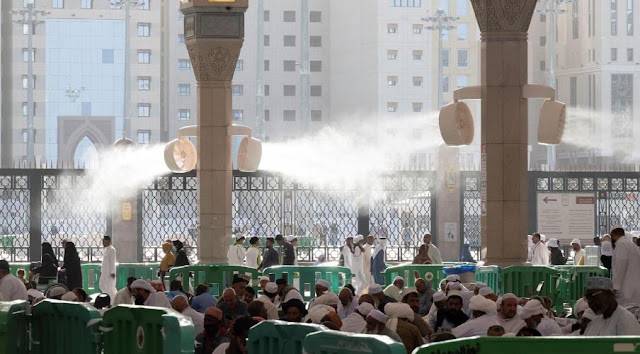
The quadrivalent ACYW-135 certificate had to show vaccination at least 10 days before arrival. Research reported validity up to 3 years for polysaccharide vaccine or 5 years for conjugate vaccine.3
Polio vaccination was required for pilgrims from countries with circulating poliovirus; yellow fever vaccination for travellers aged 9 months+ arriving from yellow-fever countries. Timing and documentation rules apply—check your origin-specific list.
British Islamic Medical Association guidance also recommended seasonal flu, DTP, MMR, varicella and COVID-19 vaccination where appropriate.3
Secondary sources reported stricter 2026 medical screening for serious organ disease, active infection, some high-risk pregnancies and people needing constant assistance. This was not directly verified from the underlying Ministry circular; confirm with Nusuk, your provider and official health guidance.
Your package tier determines much of the practical experience: camp zone, tent standard, meals, transport and walking distance.
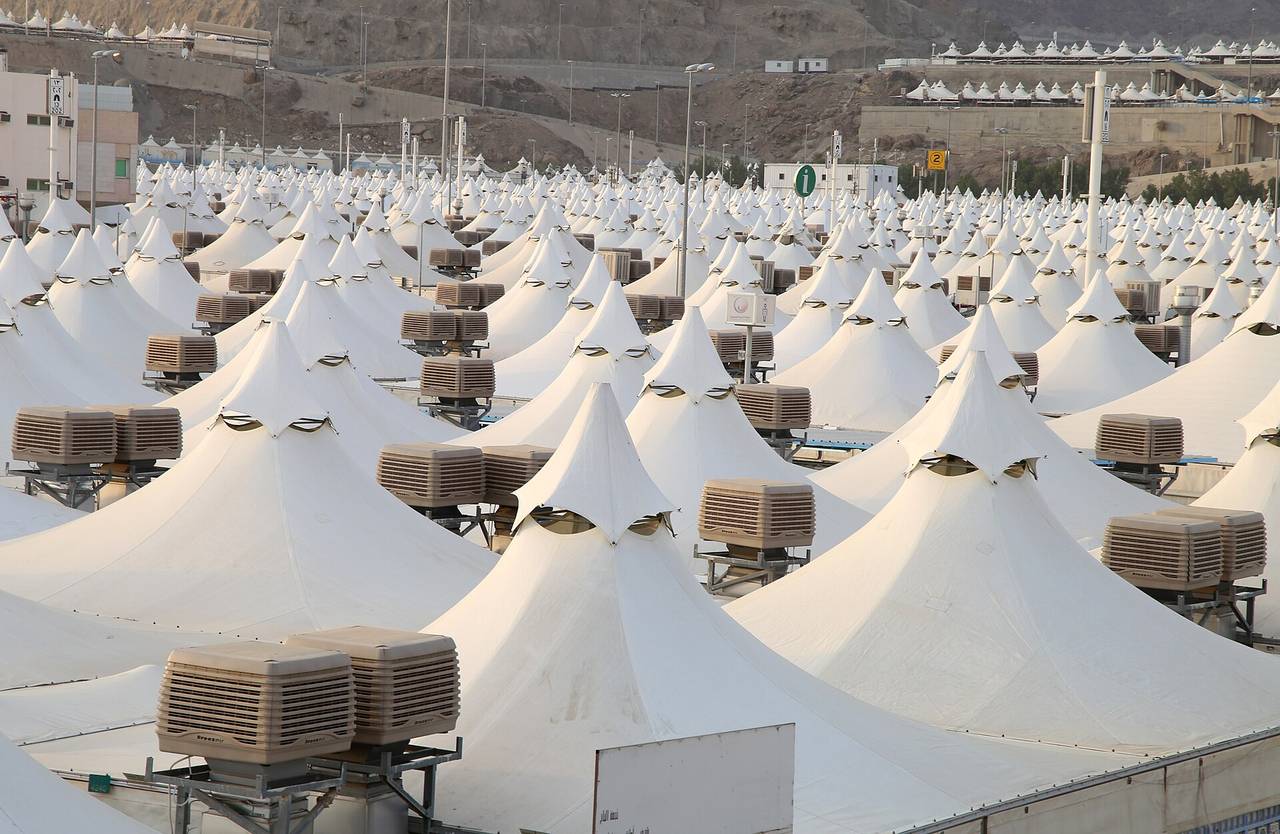
Standard research description: roughly 30–50 pilgrims per tent, foam mats or mattresses, carpeting, shared cooling and shared bathrooms, with boxed meals. Premium tiers may offer beds, stronger AC, more space, some private gender-separated toilets and buffet meals. Exact camp choice is usually assigned through the package.
Research described Zone A as closest to Jamarat, B/C as central standard zones and D+ as farther economy areas. Your camp code appears on the pilgrim ID/Nusuk Card. Quality varies, so ask the provider for precise inclusions rather than relying on “VIP” labels.
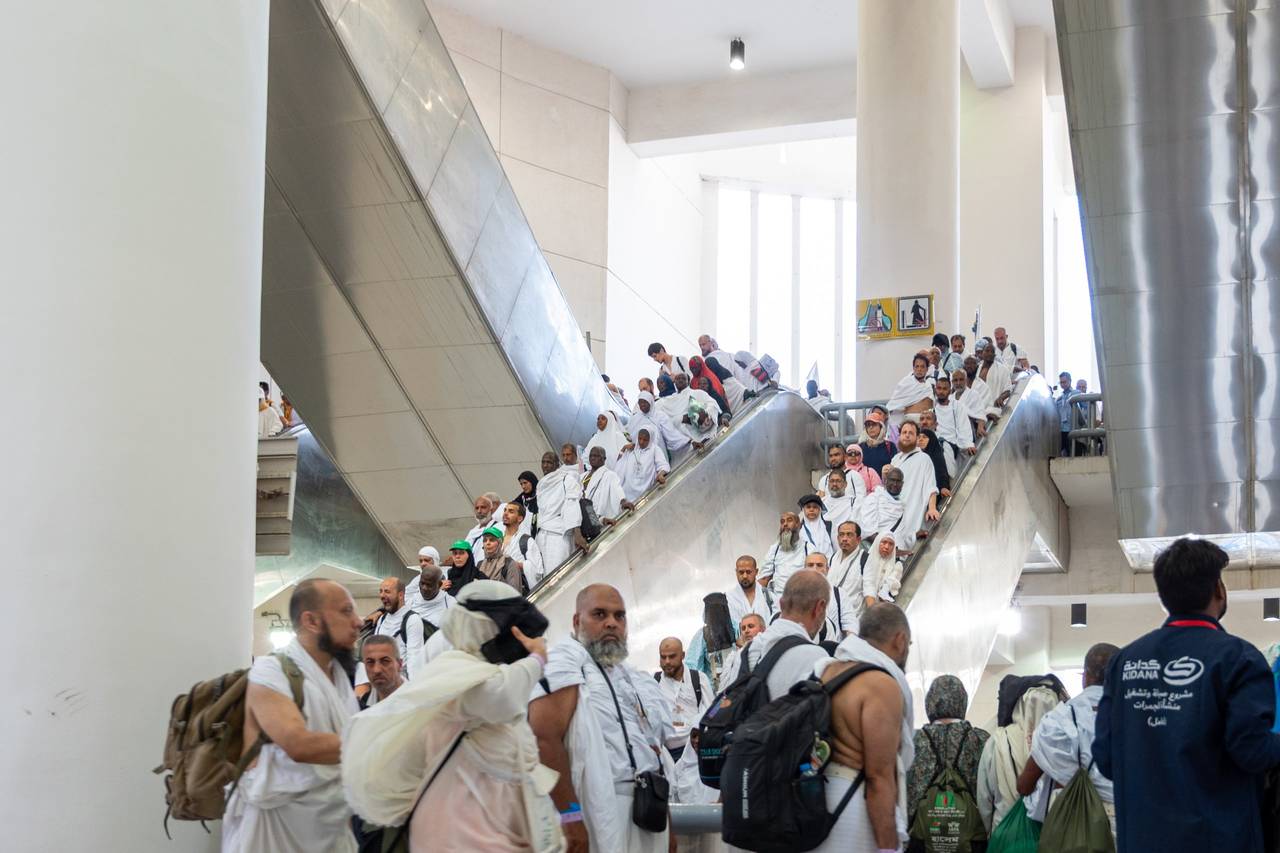
The Holy Sites Metro links Mina, Arafat and Muzdalifah, alongside assigned buses and the multi-level Jamarat Bridge. Access and boarding are tied to your Nusuk Card, group and scheduled movement slot.4
Standard packages commonly provide boxed meals; premium packages may provide buffets. Water is distributed widely—drink before thirst. Bring an unlocked phone, keep the Nusuk app logged in, and confirm whether your package supplies a Saudi SIM.
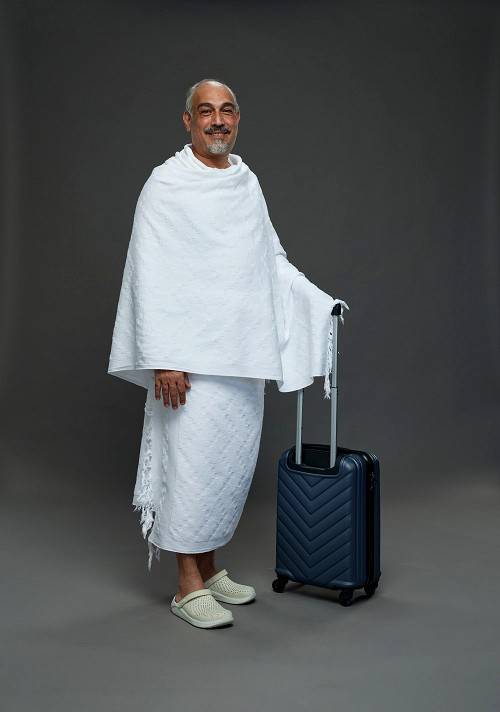
Keep documents and medicine on your body, not buried in luggage. Label bags and photograph your camp code.
Crowd safety is collective. The safest pilgrim follows the assigned route, level and time—even when another route looks shorter.
Move with the crowd; never reverse direction or stop suddenly. Do not bend for dropped items. Use only your group’s bridge level and time. If your slot allows flexibility, avoid the peak heat and crowd around 10am–4pm. Valid stoning windows differ by madhhab—follow qualified group guidance.
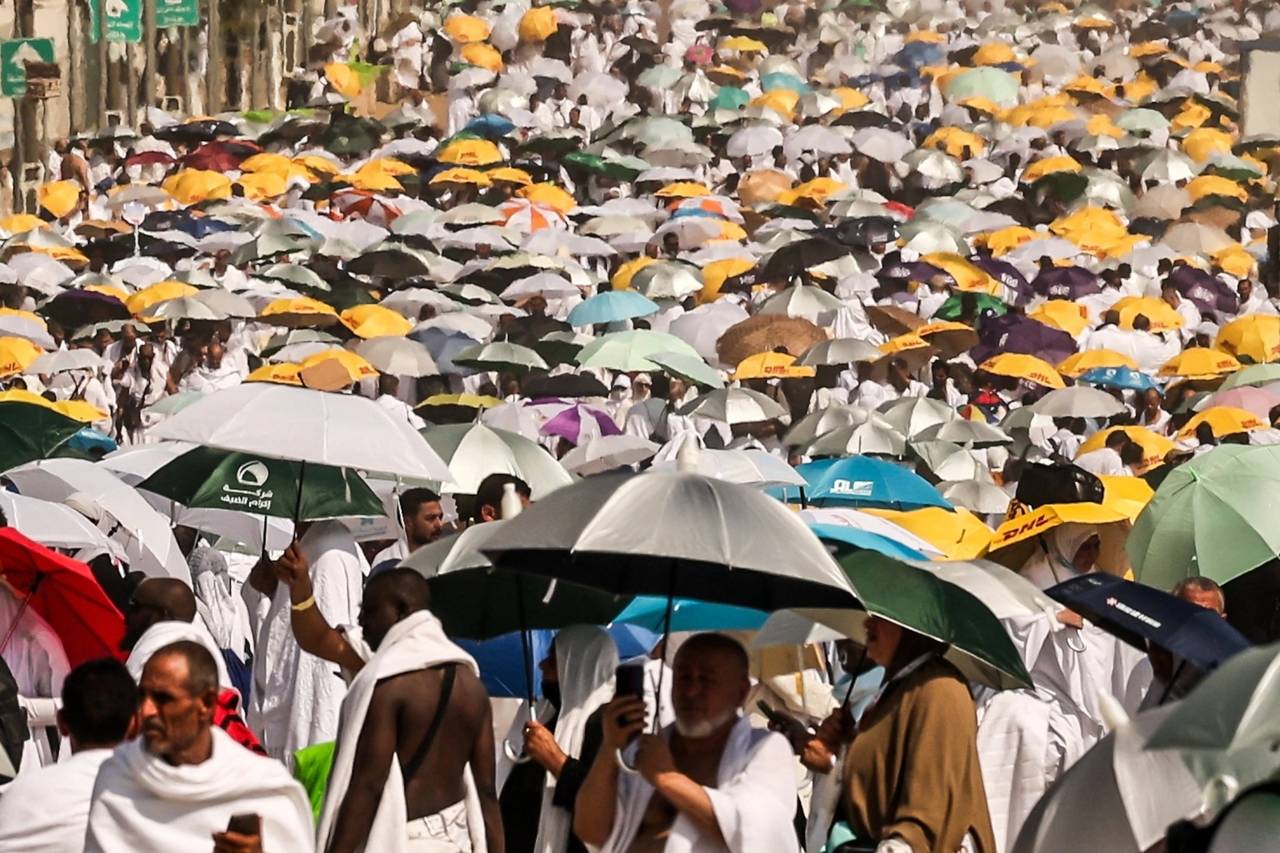
The long outdoor exposure creates the highest heat-stroke risk. Du’a is valid anywhere inside the Arafat boundary, including shaded or cooled structures. Keep water and ORS close.
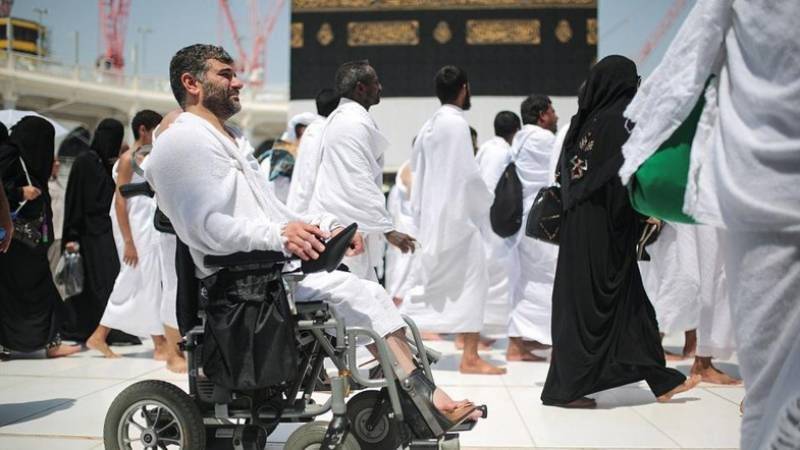
The ground-floor mataf is the densest area. The cited safety guide recommends upper floors or rooftop for elderly people, wheelchair users, pregnant pilgrims and first-timers; Sa’i has designated accessible paths.4
Facilities are limited and toilets can be crowded. The post-Fajr departure is a high-risk movement period: wait for your group leader and do not walk unfamiliar routes in the dark.
Stay in place for about 10 minutes. Then show your Nusuk Card to a uniformed officer or Ministry field tent; it contains accommodation and service-provider details. Do not accept rides from unofficial drivers.4
Scholarly views differ on travel without a mahram; current Nusuk policy for later seasons should be checked separately from the religious ruling. If menstruation begins, Hajj remains valid, but Tawaf al-Ifadah is postponed until it ends; consult your scholar for your circumstances.
Research suggests 6–21 km of walking can occur in a day. Arrange medical clearance, package support and wheelchair assistance in advance. Secondary reports of 2026 fitness exclusions were not directly verified from the Ministry circular.
For 2026 it functioned as a mandatory smart ID carrying identity, medical, camp, service-provider and transport data. Keep the physical card secure and the digital card accessible in the Nusuk app.
911 — Makkah, Madinah, Riyadh and Eastern Province · 999 — elsewhere in Saudi Arabia · 1966 — Ministry of Hajj inside Saudi Arabia · +966 920 002 814 — from outside
Some errors affect validity, others require compensation, and many are physical or financial risks. Do not self-diagnose a ritual mistake—ask your group scholar or an on-site guidance booth immediately.
The critical failure: missing Wuquf within Arafat on the 9th invalidates Hajj.
Leaving Arafat before sunset is a missed wajib and generally requires compensatory sacrifice.
On the 10th, stone only al-Aqabah. On the 11th–13th, stone smallest, middle, then al-Aqabah—7 each.
Perfume, hair or nail cutting before the proper time, and men’s stitched garments or head covering are among the common issues. Rulings and compensation can be nuanced.
It is wajib before departure and may require compensation if missed without an excuse; menstruating women are exempt.
Walking to every prayer in extreme heat, delaying water, or ignoring dizziness does not make a better Hajj. Rest and hydration protect the ability to complete the pillars.
The recent history explains the strict permit, scheduling and heat-safety system. Seasonal figures below are dated context, not a forecast.
At least 1,301 pilgrims died amid extreme heat; research reported that about 83% were unauthorized and therefore lacked normal access to shelters, water and medical services. The lesson is blunt: unauthorized Hajj is dangerous as well as illegal.6
Reported measures included 400+ misting/cooling units, 2,400 cooled water dispensers, new shade, reflective surfaces, first-aid centers and expanded monitoring. Personal heat precautions remained essential.7
The season used the Nusuk Card, assigned movement windows and integrated permit checks. Reported penalties reached SAR 20,000 for individuals and SAR 100,000 for facilitators, with deportation and a 10-year re-entry ban possible for some violations.8
Research was completed 14 October 2026. Live-read sources are separated from secondary and community material. Rules for future seasons remain open until Saudi authorities publish them.