
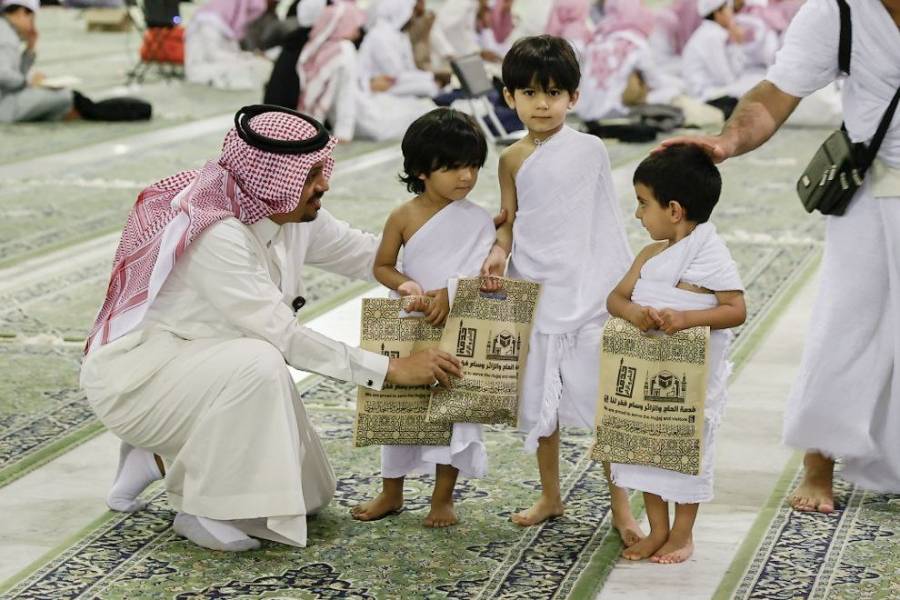
Use a soft carrier for tawaf. Strollers are generally used on upper floors, in the Mas’a via the King Fahd expansion, and in outer courtyards—subject to crowd controls.
Before you leave the hotel
Three rules that change the day.
Rules can tighten during congestion. Follow signs and staff instructions even when a general guide says an area is normally open.
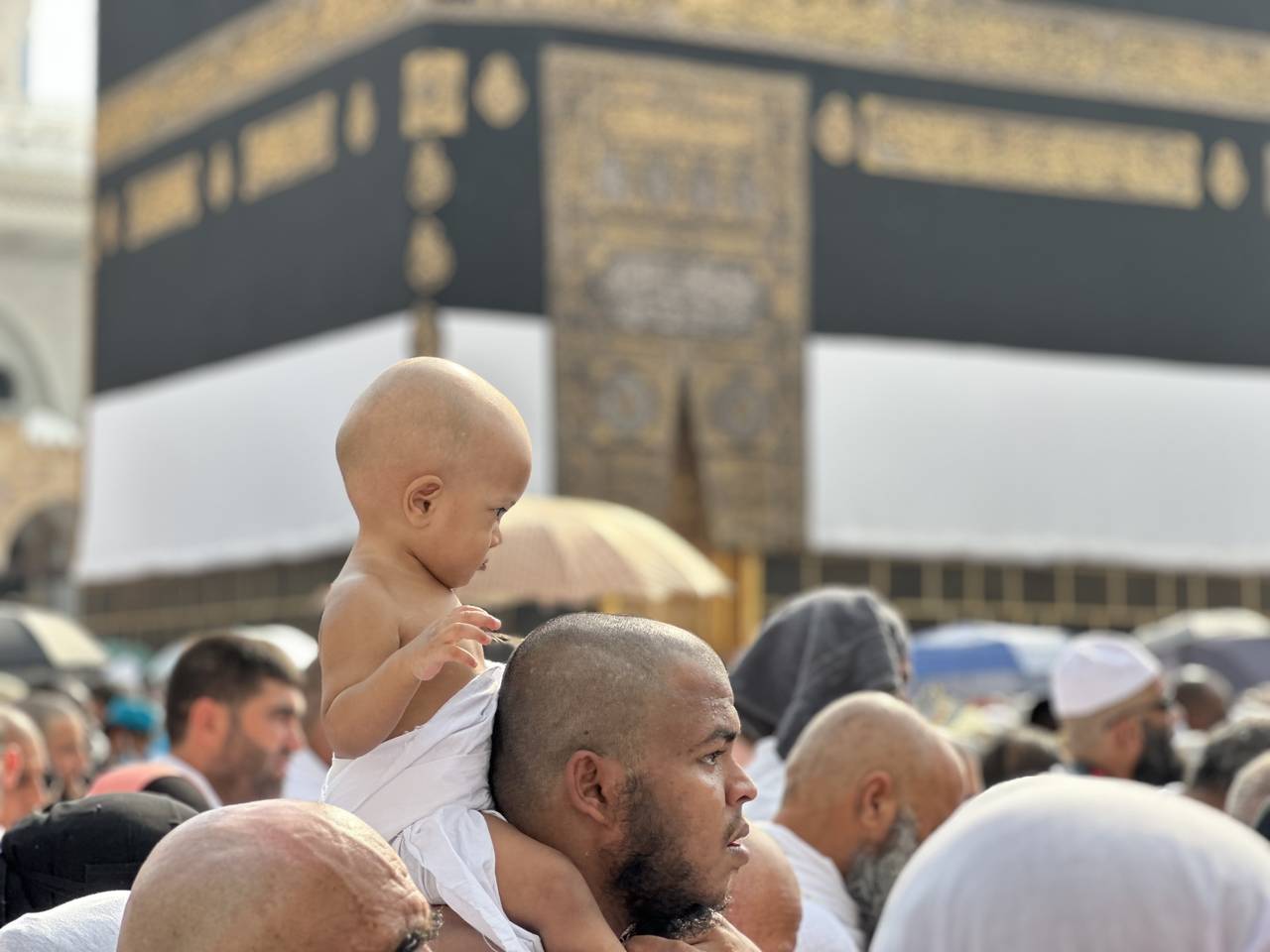
Secondary guidance says under-5s cannot book a Nusuk permit but may accompany a permitted guardian. Verify in Nusuk before travel.
Sources suggest one under-10 child may accompany a permitted adult; older children need their own permit. Age and repeat-visit rules remain unverified.
Verified reporting Stroller rule: The Islamic Information and Wego. Permit details are secondary guidance; confirm in Nusuk.
Best areas for families
Choose space, shade and a gate you can remember.
There is no single officially designated “family prayer zone.” These are practical family choices drawn from verified facilities and parent experience—not guaranteed access rules.
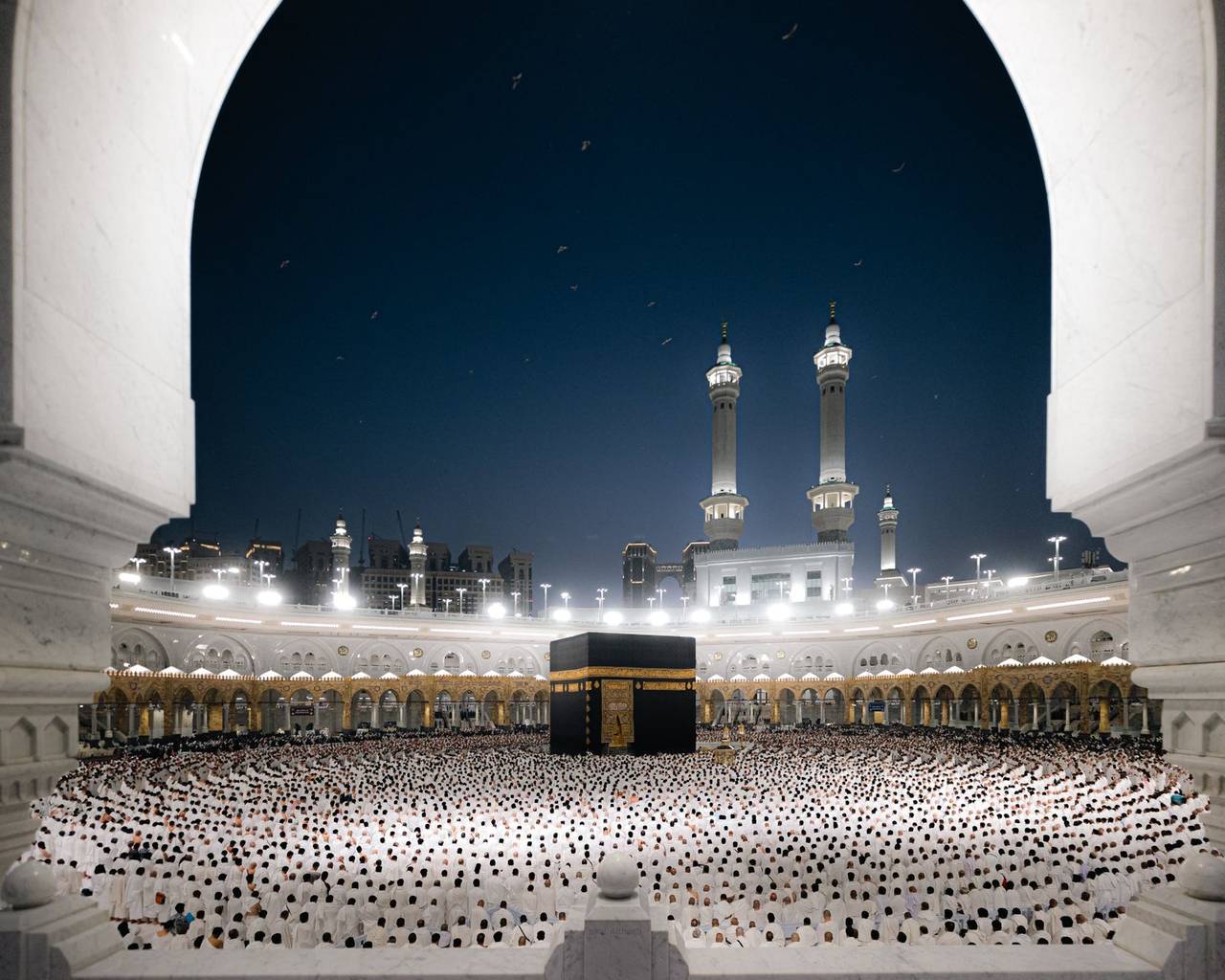
Makkah plan
Masjid al-Haram
Outer courtyards for breathing room
Parents often choose the plazas when children need more space, an easier exit or a stroller. Stay out of movement lanes and expect access to change when crowded.
Gates 1 and 79
Useful family entry landmarks because identification-wristband service has been reported at King Abdulaziz Gate 1 and King Fahd Gate 79.
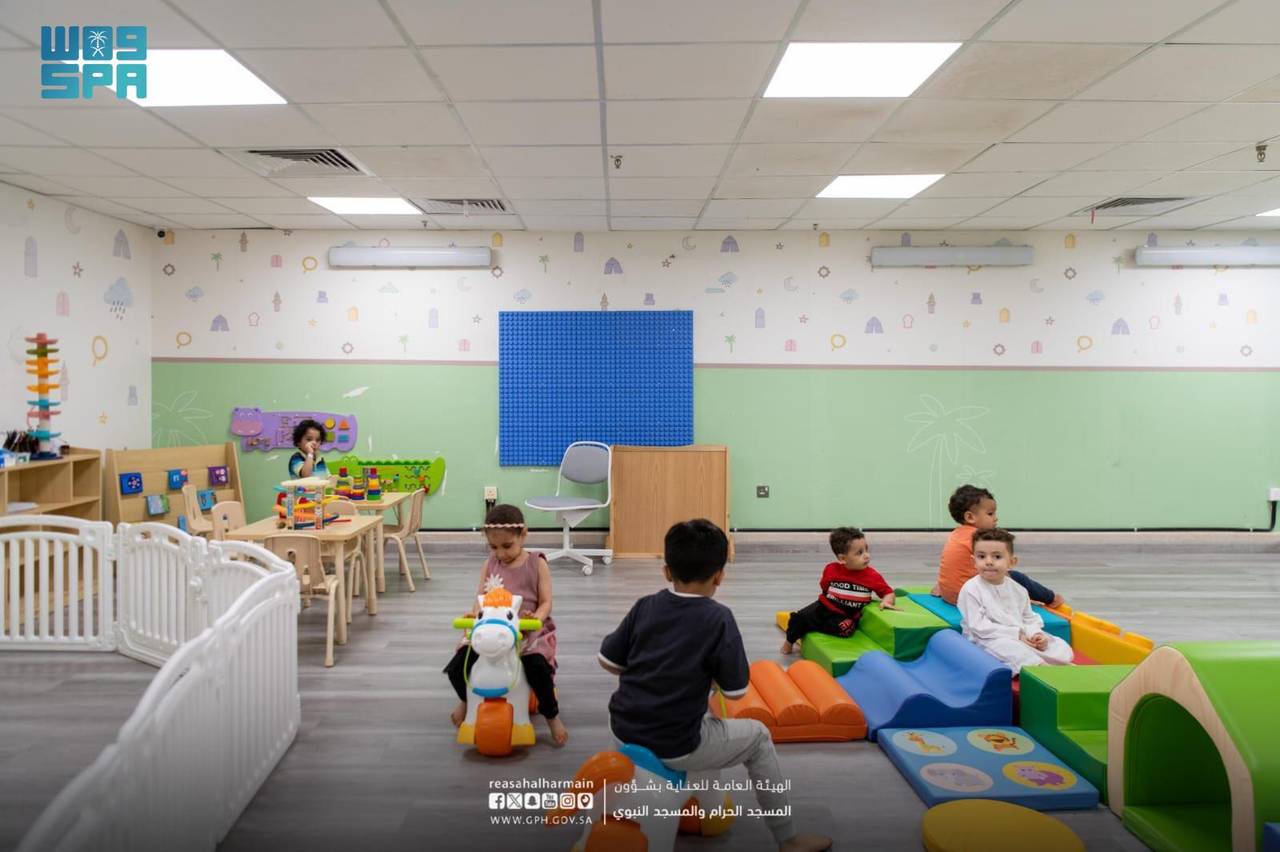
Gates 100/104 for childcare
The Children’s Hospitality Centers are reported in the Third Saudi Expansion, opposite Gate 100 and near Gate 104. Ask a service counter for current admission.
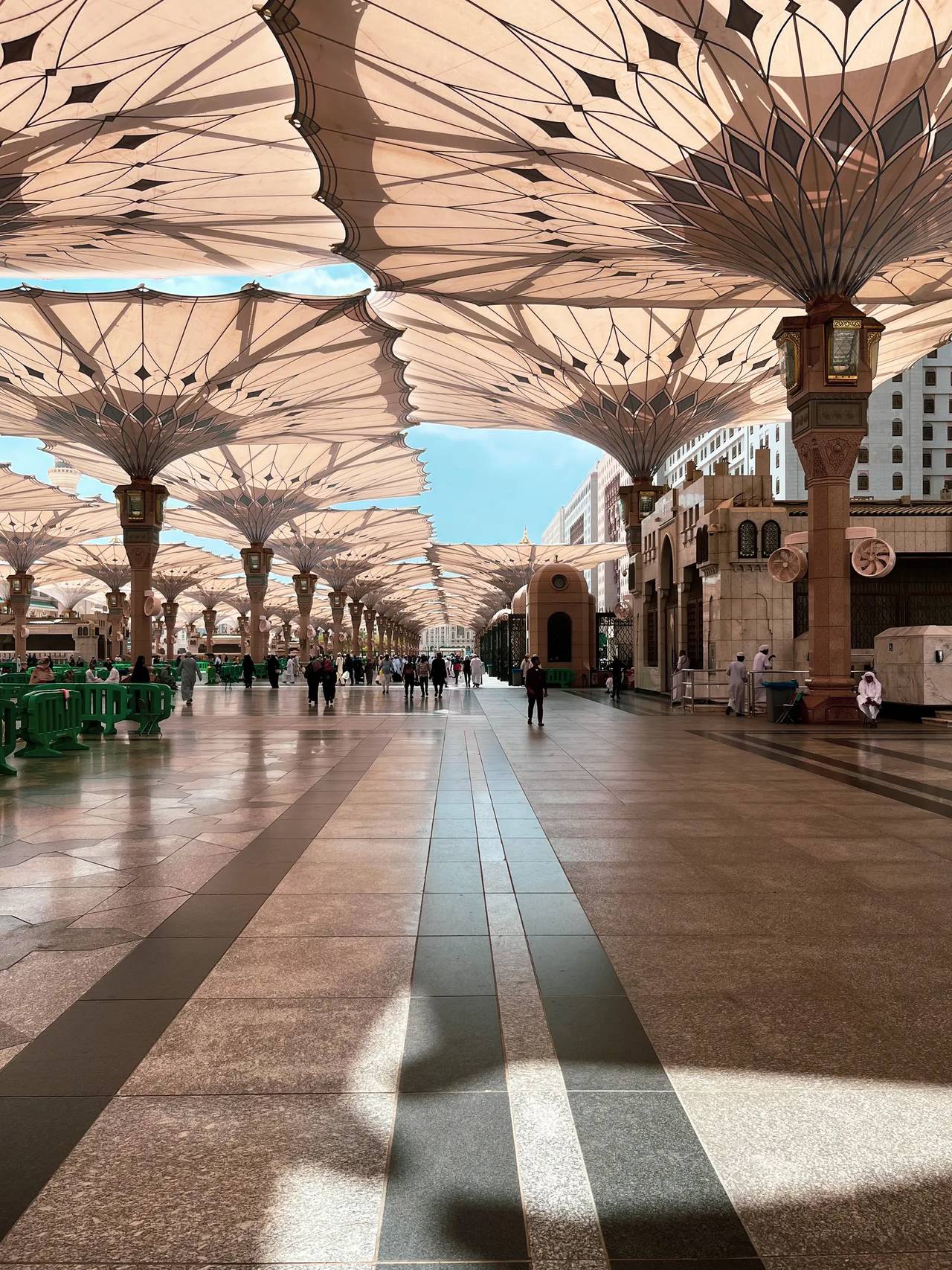
Madinah plan
Prophet’s Mosque
Umbrella courtyards for shade
The vast plazas offer shade and more flexible waiting space outside peak flow. Choose a numbered gate and a color-coded exit as your anchor.
Northern side for childcare
The nursery is reported between courtyard areas 339–340, with daily hours of 5am–11pm. Bring the parent/guardian’s ID or passport for drop-off and pickup.
Color-coded exits
Use the exit color and gate number—not “near the umbrellas”—as the family meeting point. The visual system was introduced to improve wayfinding.
Together or separated?
Before and after prayer, outer courtyards are often the simplest place for the whole family to sit, wait and regroup. At prayer time, do not assume the family can remain in one mixed group: men’s and women’s prayer areas are generally separated and staff may redirect worshippers. Agree on one gate, one exit color in Madinah, and one backup landmark before separating. Specific rules for women’s sections with young children were not verified, so follow posted signs and ask attendants.
Practical guidance Family courtyard and meeting-point advice is community experience. Facilities: Makkah childcare, Madinah exit colors, Madinah childcare. Makkah courtyard photo: Pexels; Madinah courtyard photo: Pexels.
Make it age-realistic
Build the plan around the child you have.
Select a stage for a concise day-of strategy. This changes the advice on gear, pace and responsibilities.
Carry
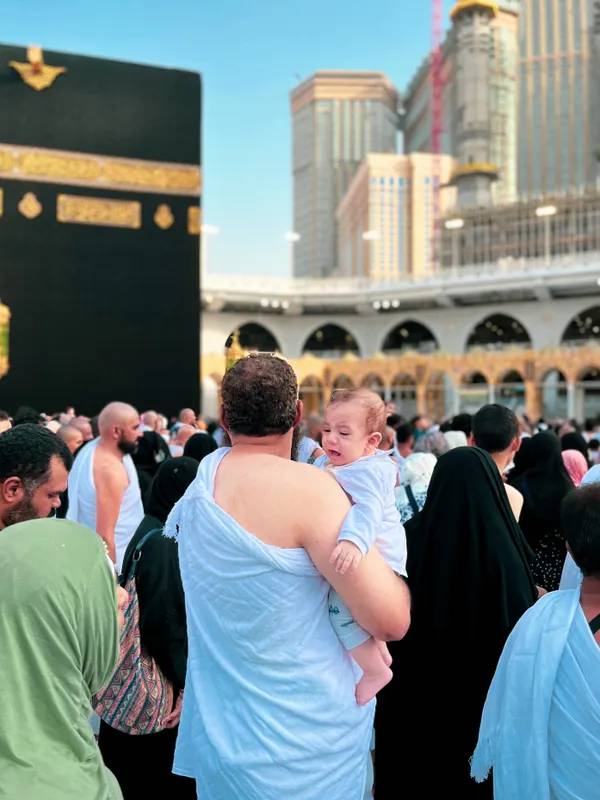
Use a soft-structured carrier for tawaf; keep the foldable stroller for walks and permitted outer areas.
Feed
Carry one familiar feed, clean bottles, a thermos or portable warmer, and enough diapers for the travel day.
Rest
One parent may need to remain at the hotel during a difficult sleep window. Treat that as the plan, not a failure.
Identify
Use the free mosque wristband where available plus a pocket card with guardian name and phone in Arabic and English.
Move
Carrier for dense areas; stroller for hotel walks and permitted courtyards. Keep snacks and water instantly reachable.
Engage
Explain one simple story before each visit and let the child help refill water or choose the family meeting gate.
Rehearse
Teach the child to stop, approach a uniformed official, show the wristband/card and never leave the agreed area.
Participate
Give one job: carry a small bottle, count a short section, or record one thought in a simple journey journal.
Permit
Older children may need their own Nusuk/Rawdah permit. Check each passport profile before slots open.
Crowd safety
Put the contact plan on the child.
A phone number in a parent’s pocket is not enough. Make the child identifiable, choose a fixed meeting point, and rehearse what happens if someone gets separated.
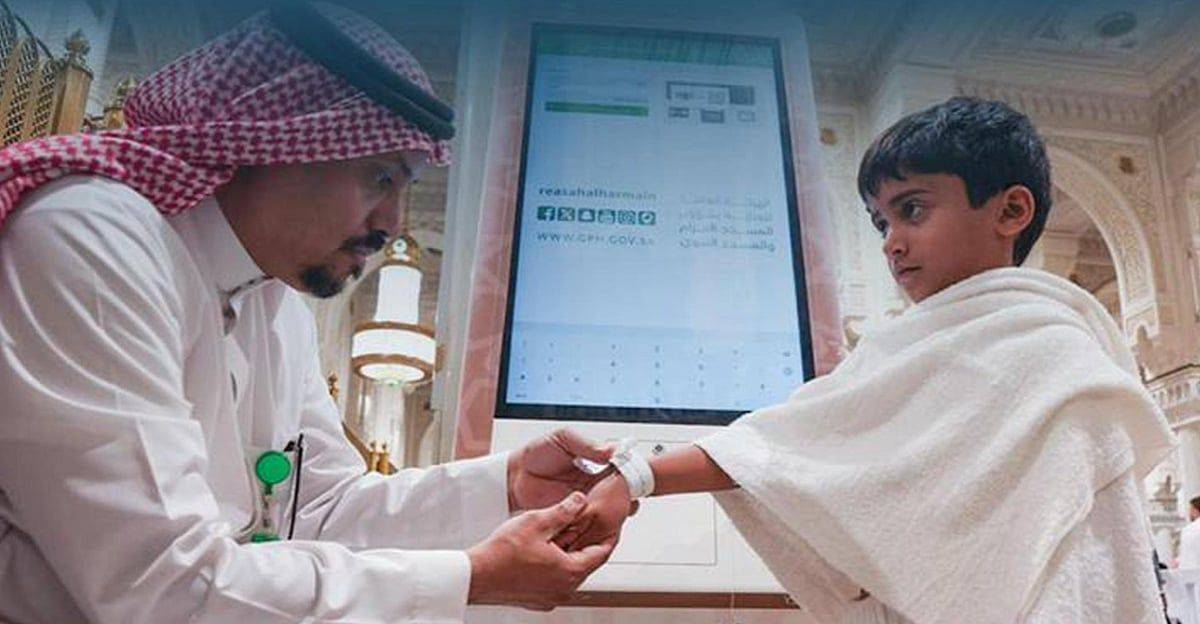
Get the free identification wristband first
At Masjid al-Haram, wristband machines have been reported at King Abdulaziz Gate 1 and King Fahd Gate 79. In Madinah, service centers were reported at Gates 301, 307, 329, 331 and 339. The band links the child to guardian contact details so security staff can help reunite the family.
Sources: Wego and The Islamic Information.
Dress for recognition
A bright, distinctive layer is easier to describe than “white clothes.” Photograph the child each morning.
Pick a precise meeting point
Use a numbered gate, marked service desk or exit color—not the Kaaba, an umbrella or “the main entrance.”
Carry a backup card
Write guardian name, local/international phone and hotel in Arabic and English; laminate it or seal it in a pouch.
A kinder daily rhythm
Protect the cool hours. Rest without guilt.
Parent guides consistently recommend night or early-morning rituals, a long midday hotel reset and several buffer days.
After Fajr
A practical lower-crowd window for tawaf or sa’i; return before the day heats up.
10am–4pm
Avoid extended outdoor ritual time; Makkah summer temperatures can reach 40–45°C.
After Isha
Cooler and often easier with children; during busy periods, use upper levels if directed.
5–7 days
A commonly recommended buffer so illness, naps and overload do not force a rushed plan.
During tawaf & sa’i
- Carry a small child in the ground-floor Mataf.
- Choose upper Mataf levels during crowd pressure.
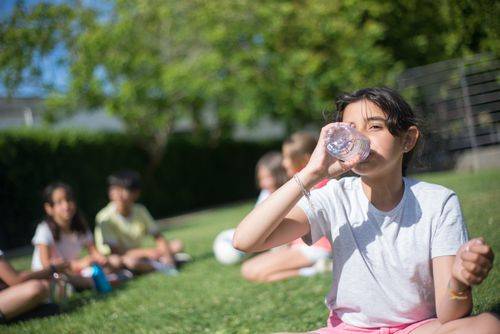
- Pause when the child needs water, food or calm.
- Take turns if one parent and child need to wait.
Heat plan
November–February is typically gentler, around 25–30°C in the cited guide. If summer travel is unavoidable, keep children indoors during peak midday heat, use light clothing, shade and SPF 30+ sunscreen, and carry water plus oral rehydration sachets. Seek medical help for heat-illness symptoms.
Stay & transport
Distance matters more than luxury.
With a tired child, the usable route to your gate is more meaningful than the hotel’s straight-line distance.
Hotel target
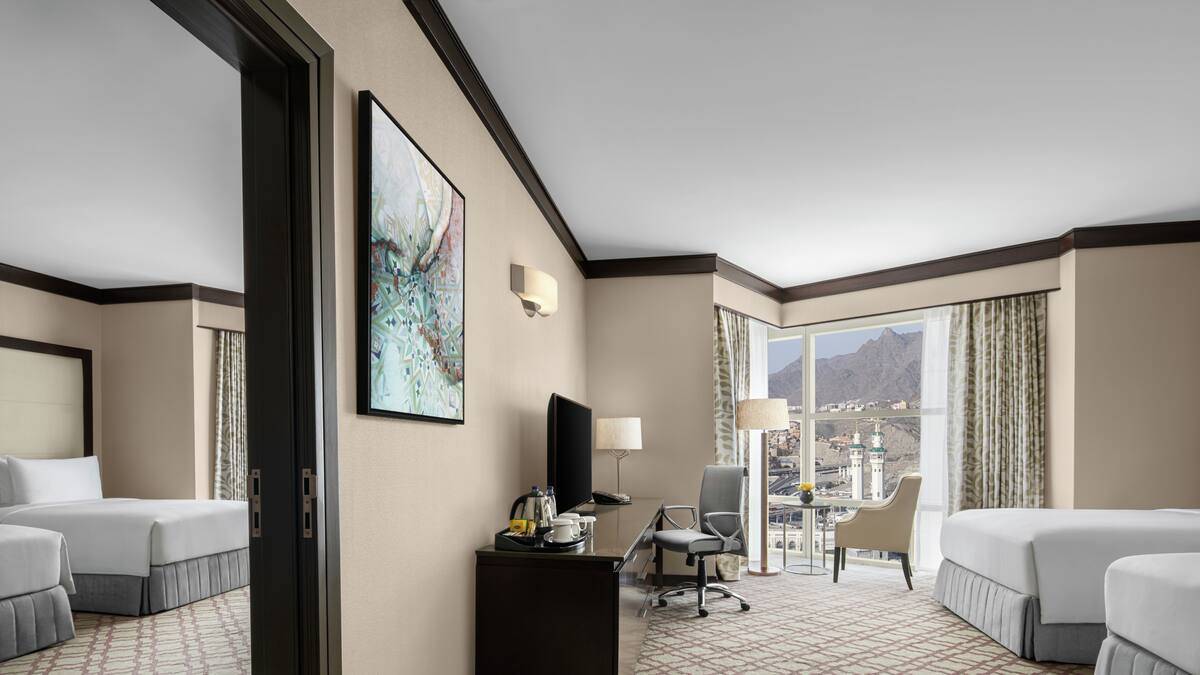
A 300–500m walk is the cited family-friendly range. Ask for the actual pedestrian route, slope and gate—not just the map distance.
Confirm before paying
Get written confirmation for a crib, adjoining/connecting rooms, kitchenette, laundry, soundproofing and early meal options. Listing-site policies can be outdated.
Buy supplies locally
BinDawood and Al Raya near Haram hotels stock diapers, formula, baby food and snacks. Pharmacies commonly carry Pampers, Huggies, BabyJoy, Molfix and major formula brands.
Check at booking
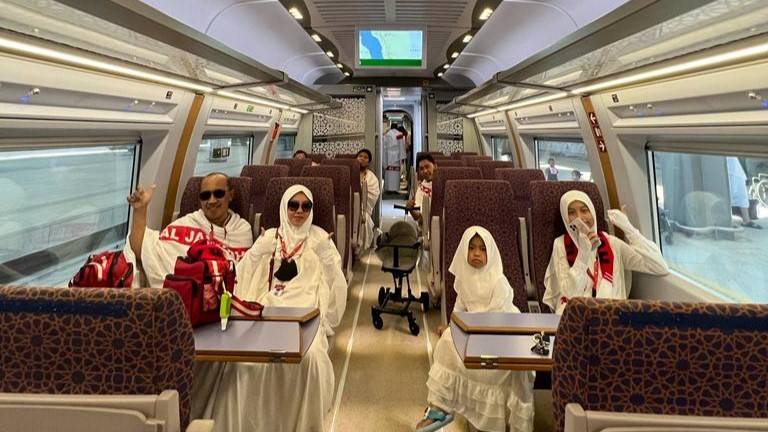
Haramain train with children
Secondary guides report discounted tickets for ages 2–11, while under-2s travel free on an adult’s lap at a one-infant-per-adult ratio. The official ticket-conditions page was blocked during research, so confirm current fare and stroller rules before purchase.
Stroller note: indexed official text says one stroller per child is checked into the luggage car free, but this could not be opened and verified directly.
Car-seat reality: Secondary reporting says children under 4 should use a child restraint, but ordinary taxis and ride-hailing cars rarely carry one. Bring a travel seat or pre-book a transfer that confirms the correct seat in writing. The research did not locate an official traffic-law page, so verify current requirements.
Pack for the first day—not the whole trip
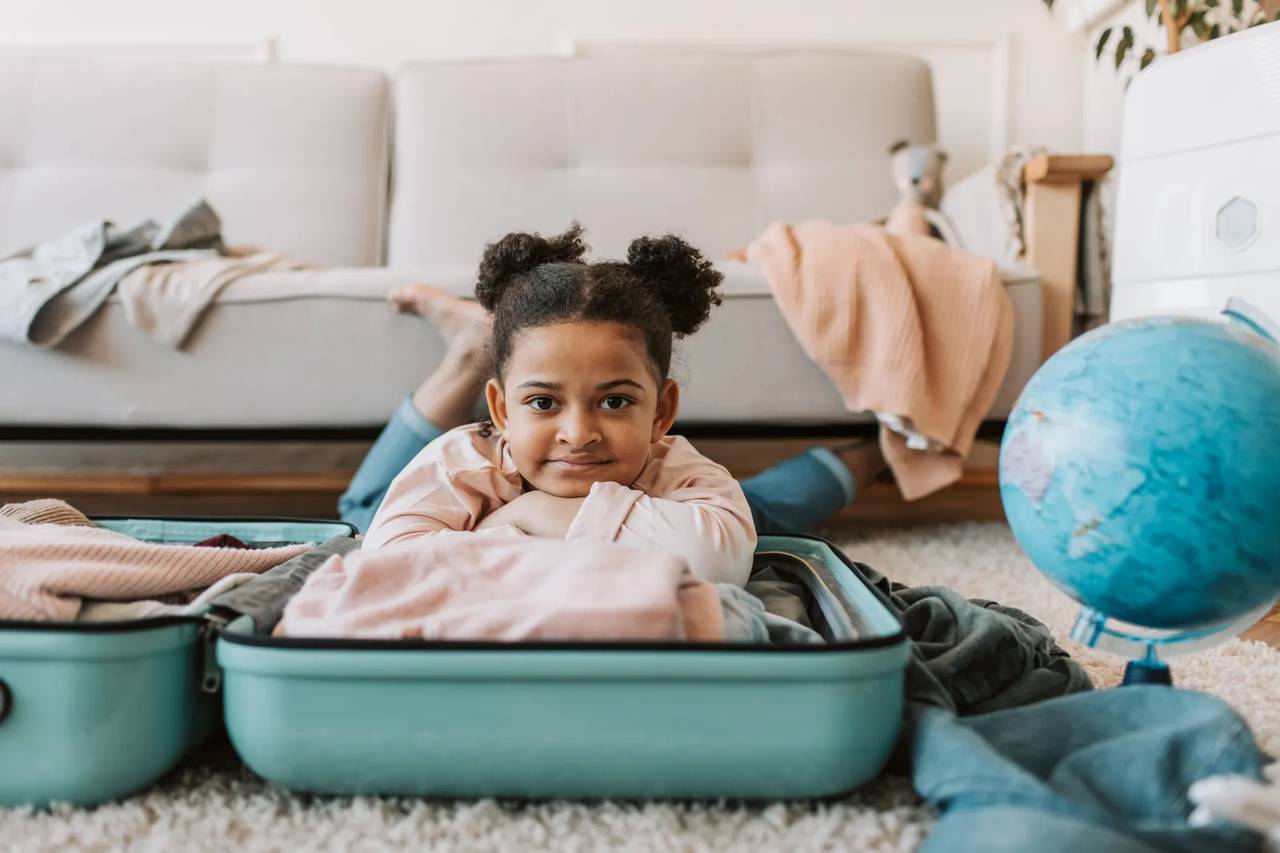
The realistic family bag.
Bring familiar essentials and specialist items; buy bulky everyday supplies locally after arrival.
Documents & safety
- Passports, visas and permit copies
- Vaccination records
- Prescriptions and medication list
- Arabic/English child ID cards
- Emergency and hotel contacts
Carry & comfort
- Soft-structured baby carrier
- Compact foldable stroller
- Two light outfits per day
- Broken-in, child-safe footwear
- Sun hat, sunglasses, light blanket
Food & health
- Sippy cup and familiar snacks
- Travel-day formula and diapers
- Wipes, cream, changing mats
- Thermometer, saline and ORS
- SPF 30+ sunscreen and sanitizer
Verify close to travel
Some details remain open.
These questions had conflicting or secondary-only information as of this research review. Check Nusuk, Saudi health guidance and on-site service desks before relying on them.
Rawdah: child age and repeat-visit limit
Sources suggest a child under about 10 can accompany one permitted adult and older children need their own permit. Sources conflict on whether rebooking is limited to once every 365 days. Verify each traveler’s profile in Nusuk.
Nusuk permit for children under 5
Secondary sources say under-5s cannot book their own permit but may accompany a permitted guardian. This was not directly verified on Nusuk.
Current Umrah vaccine requirements
Sources conflict on MenACWY for Umrah after a reported 2025 reversal. Hajj rules are separate. Requirements may also depend on origin country, including polio rules. Use current Saudi Ministry of Health guidance and your airline’s document check.
Nursing, changing and hot-water facilities
Mother-and-child support features were reported in women’s restrooms at the Prophet’s Mosque, but exact nursing/changing rooms inside Masjid al-Haram were not verified. Plan to use hotel facilities and ask an on-site attendant.
Women’s prayer sections with children
No reliable current rule was found for every section and age. Follow staff direction; have a family regrouping plan if adults are directed into separate prayer areas.
Sources & labels
What we know—and how well we know it.
Verified reporting was opened and read during research. Community means parent experience, not an official rule. Check current marks conflicts or secondary-only details.
- Wego — Umrah With Kids (updated Sep. 8, 2026)
- Stroller restriction reporting
- Madinah child wristband locations
- Makkah childcare locations
- Prophet’s Mosque nursery (SPA repost)
- Nusuk Guide FAQ (secondary)
- Makkah Maternity & Children’s Hospital
- Saudi German Hospital Madinah
- Tripadvisor family experience (community)
- Family timing and meeting-point advice
Research reviewed 14 October 2026 · Policies and access can change during congestion, Ramadan and Hajj periods.This guide supports planning; mosque staff and current official channels have the final say.