
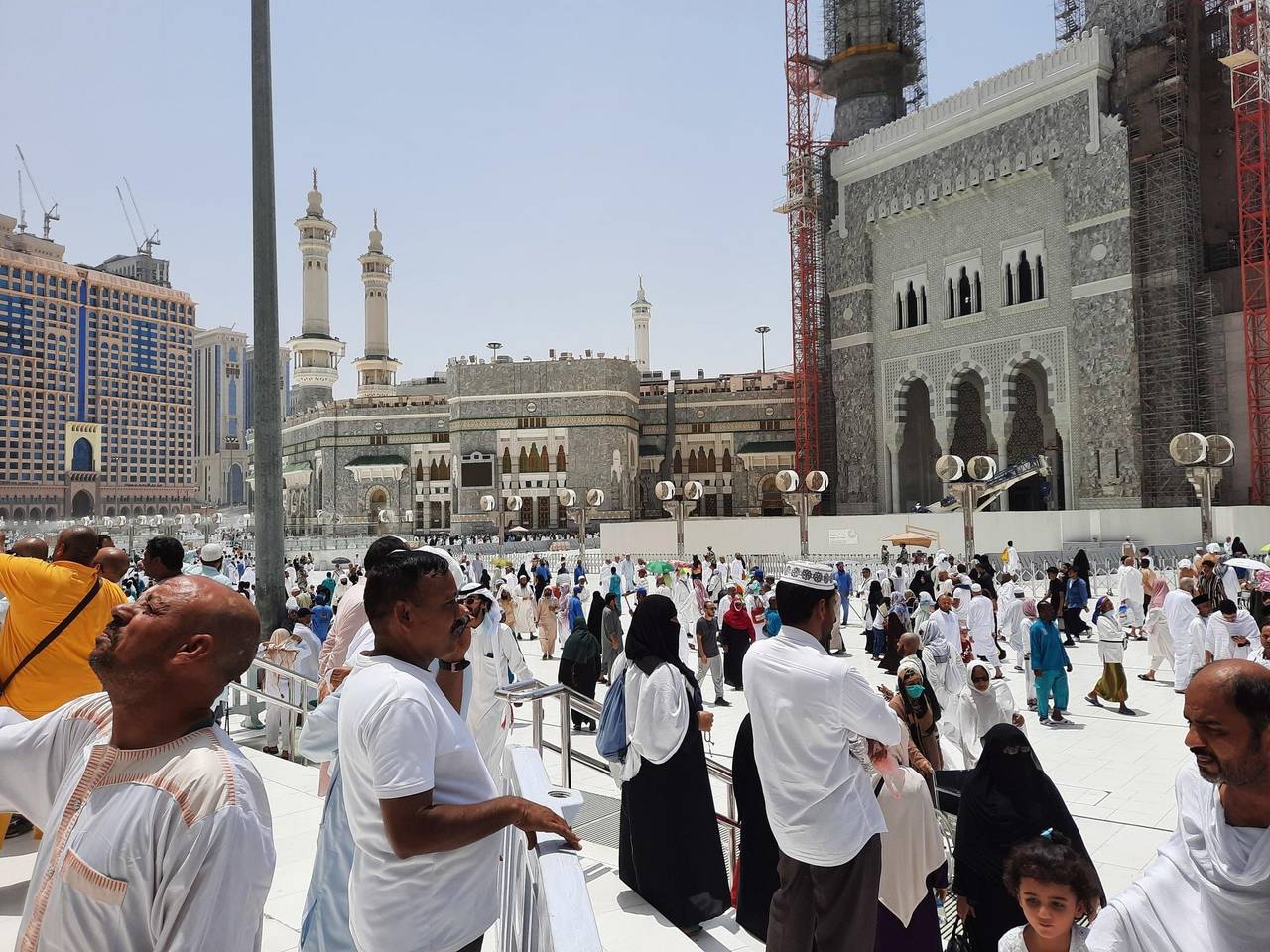
Think in waves
The sharpest pressure usually builds before prayer and releases after it. Wait out the first exit surge rather than joining it.
Makkah + Madinah planning guide
A practical hour-by-hour guide to Tawaf, Sa’i, prayers, Jumu’ah, Ramadan and Rawdah—built around predictable crowd waves, not promises of an empty mosque.
Loading today’s prayer times…
Choose a place, day type and activity. The six time blocks show relative pressure across a typical day; prayer times move through the year, so the notes are tied to prayer waves rather than fixed clock minutes.
Typical pattern
Best first try: after the immediate Fajr exit wave or in a settled late-night window. Avoid assuming any hour will be empty.
The sharpest pressure usually builds before prayer and releases after it. Wait out the first exit surge rather than joining it.
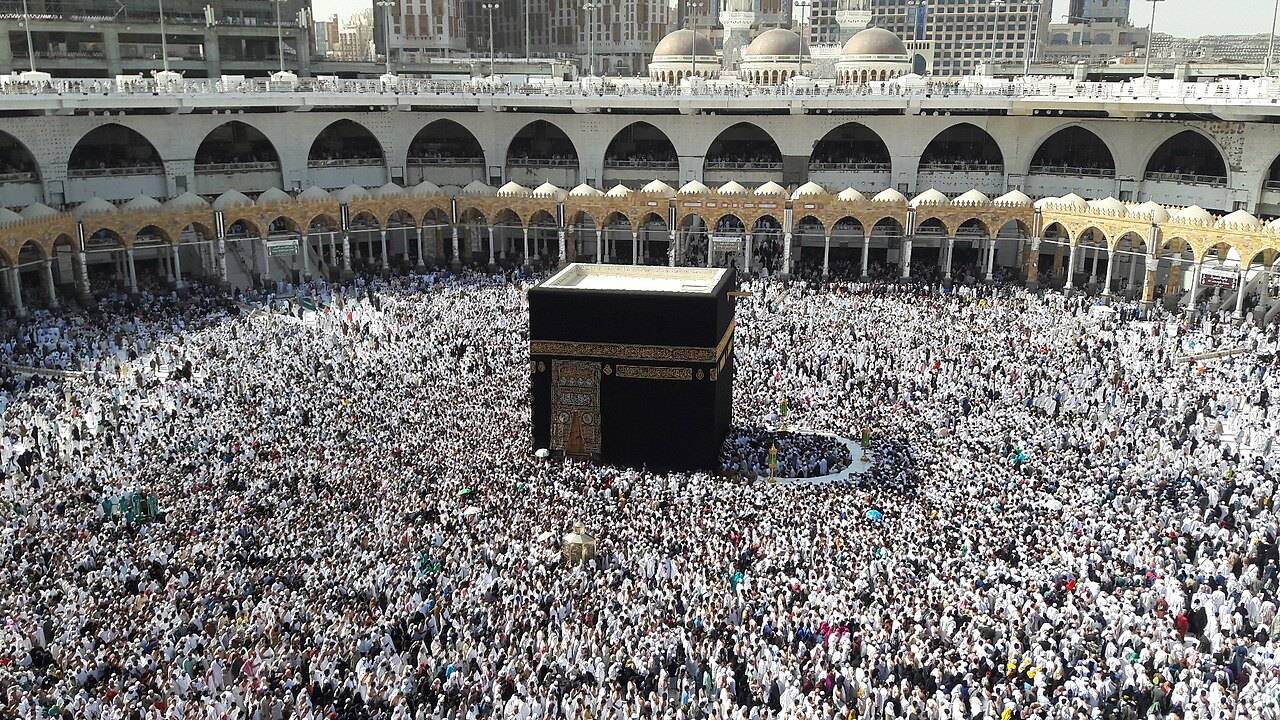
Jumu’ah fills spaces early. Plan worship, transport, meals and hotel return around a long midday crowd window.
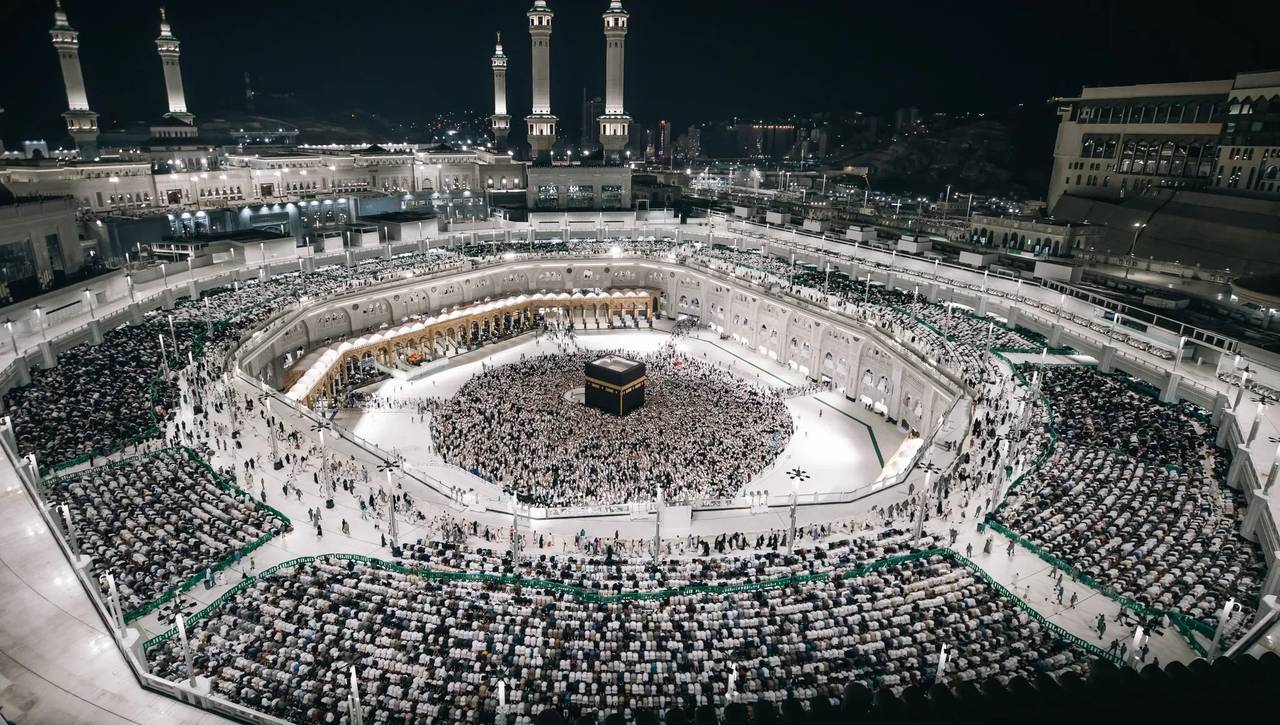
The final ten nights are an exceptional peak—especially Maghrib, Isha, Taraweeh and Tahajjud. Build in generous buffers.
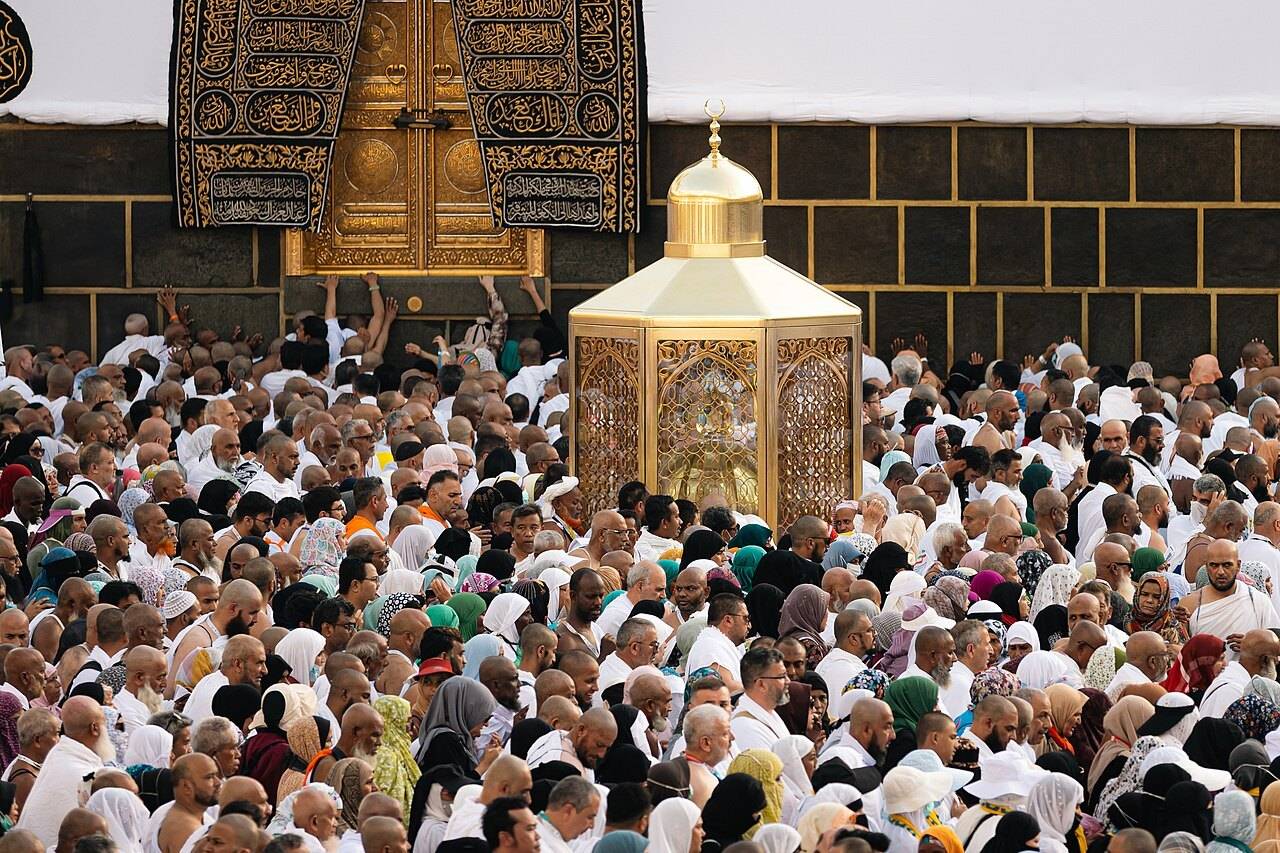
The Ministry of Interior notes that roads, courtyards and prayer areas can fill hours ahead of prayer in Ramadan, especially for Friday, Maghrib, Isha, Taraweeh and Tahajjud. Entry lights and staff directions take priority over any plan.
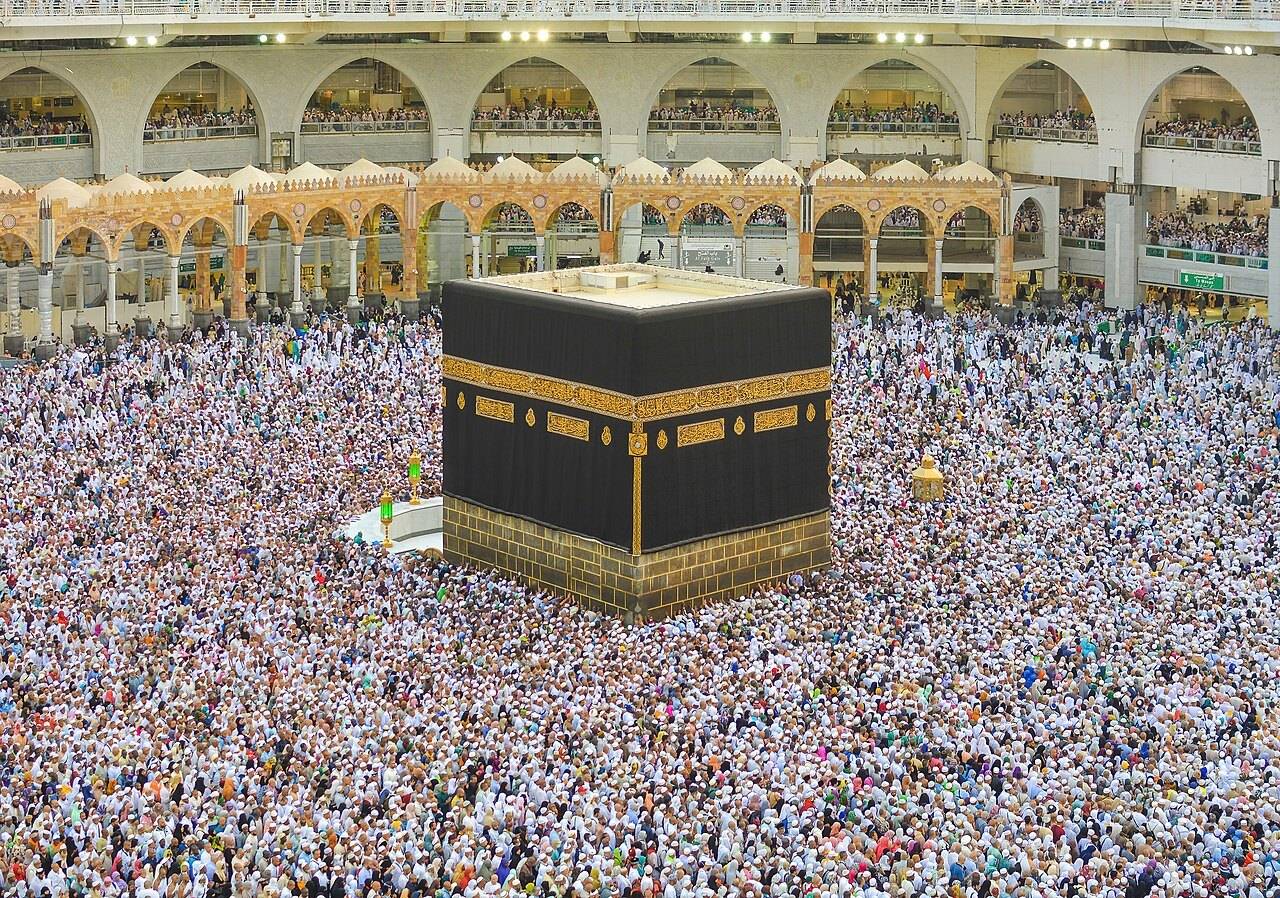
Avoid: the approach to obligatory prayers, the first exit surge afterwards, Friday midday, and Ramadan nights—especially the final ten. “Late night” is not automatically quiet; look at the active access signs before committing.
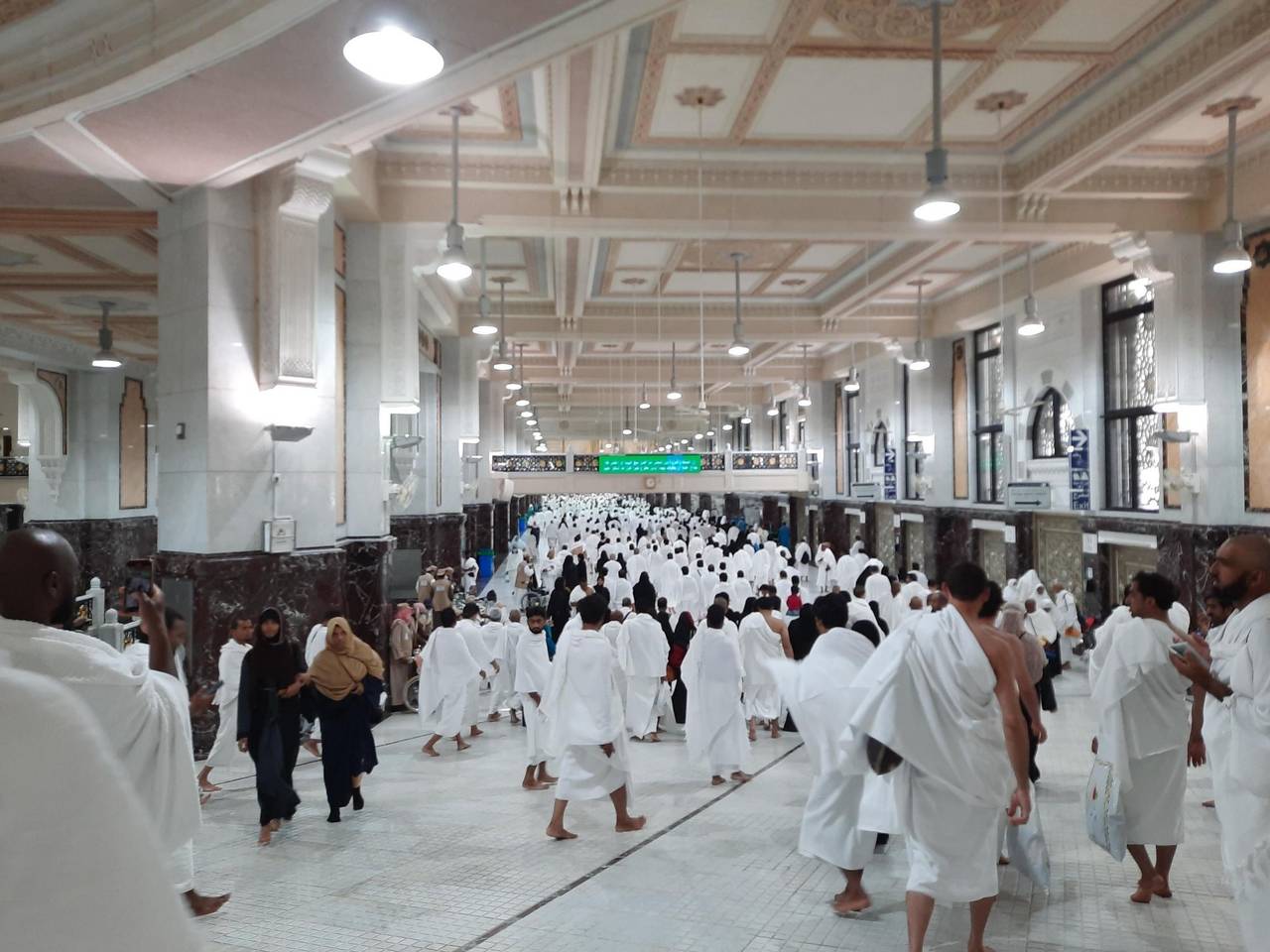
Avoid: starting when a prayer wave is compressing entrances or when an elderly companion is already fatigued. Follow staff to the available level rather than crossing flows to reach a preferred floor.
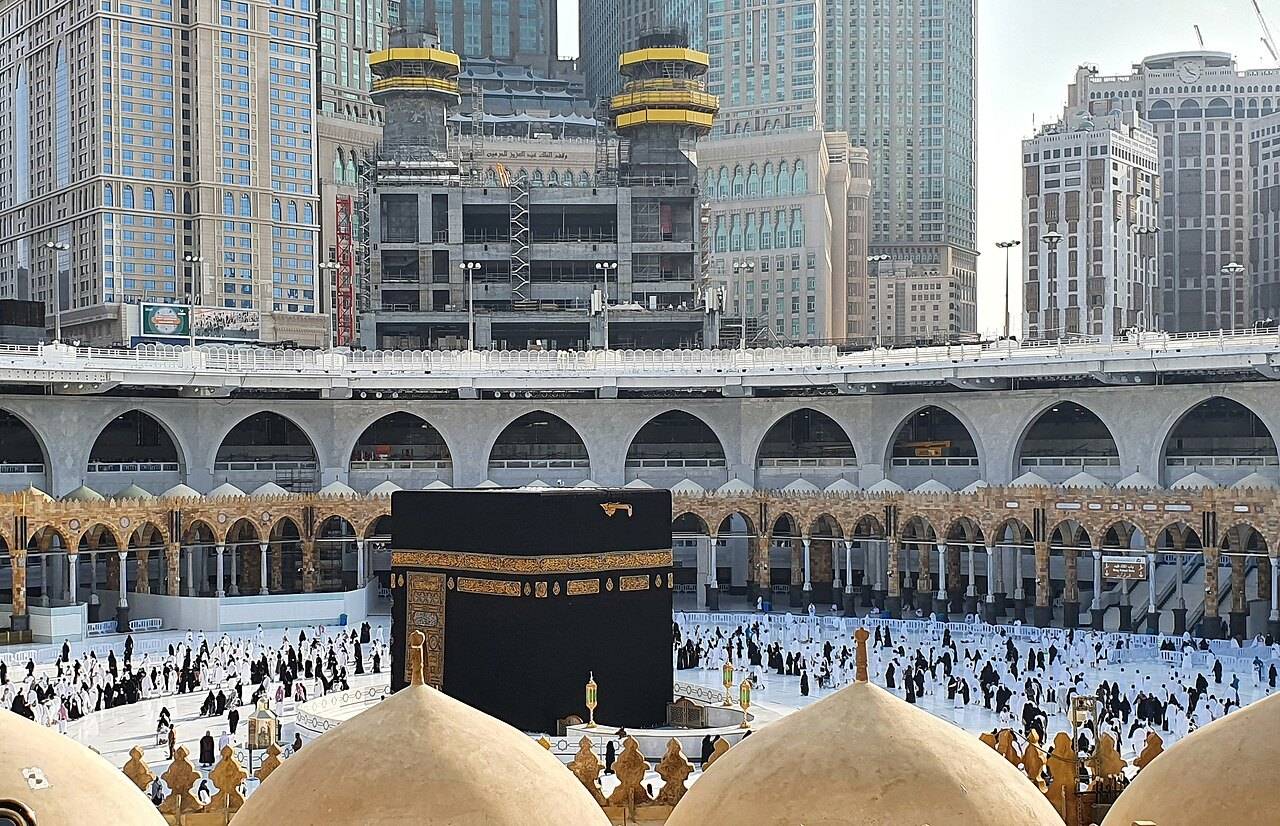
Maghrib has the shortest gap from adhan to prayer and can be especially demanding around iftar. After any prayer, wait several minutes if the exit lanes are surging—official guidance explicitly advises against rushing out.
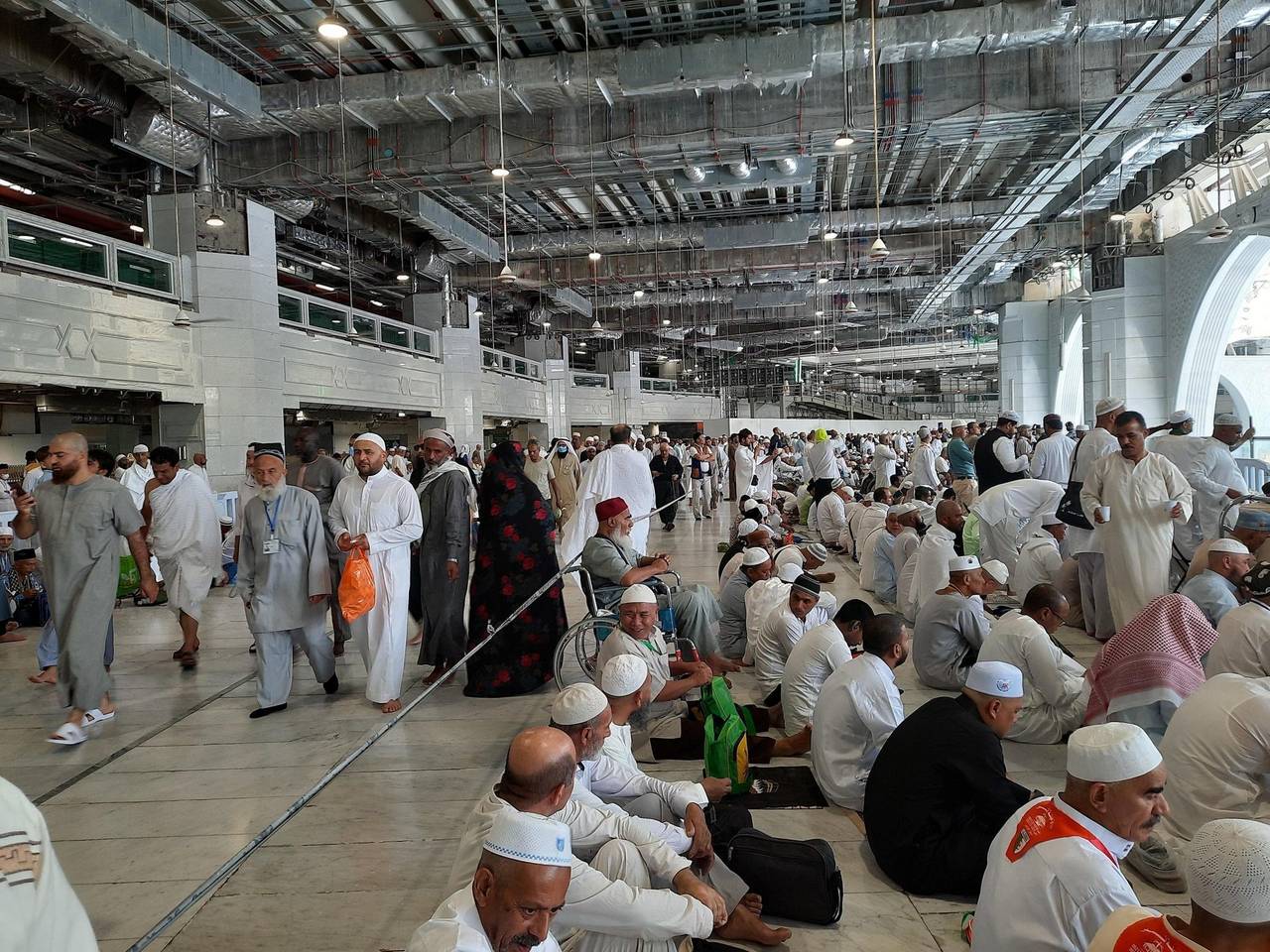
Arrive well before the mosque and courtyards fill. If mobility is limited, do not make the innermost area the goal; a safe, staff-directed prayer space is the better plan.
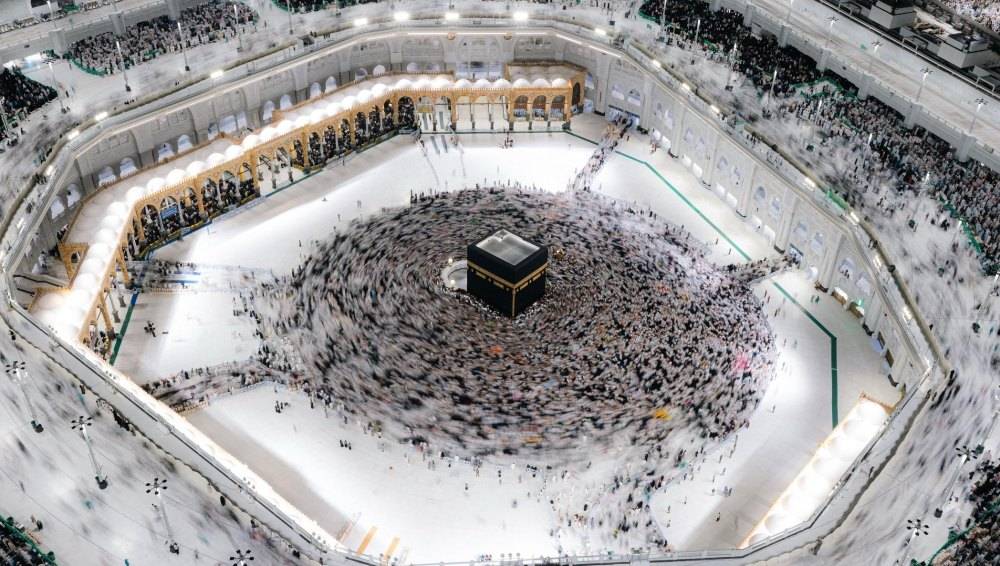
The last ten nights can fill hours early. Keep luggage out of the courtyards, expect pedestrian-only routes, and choose one main objective per visit rather than combining a long Tawaf, Sa’i and extended prayer stay.
For ordinary prayer, crowd pressure follows the five prayer waves. For Rawdah, the permit time—not a “quiet hour”—is the controlling factor. Keep your active barcode ready and follow the entry route displayed by Nusuk and on-site signs.
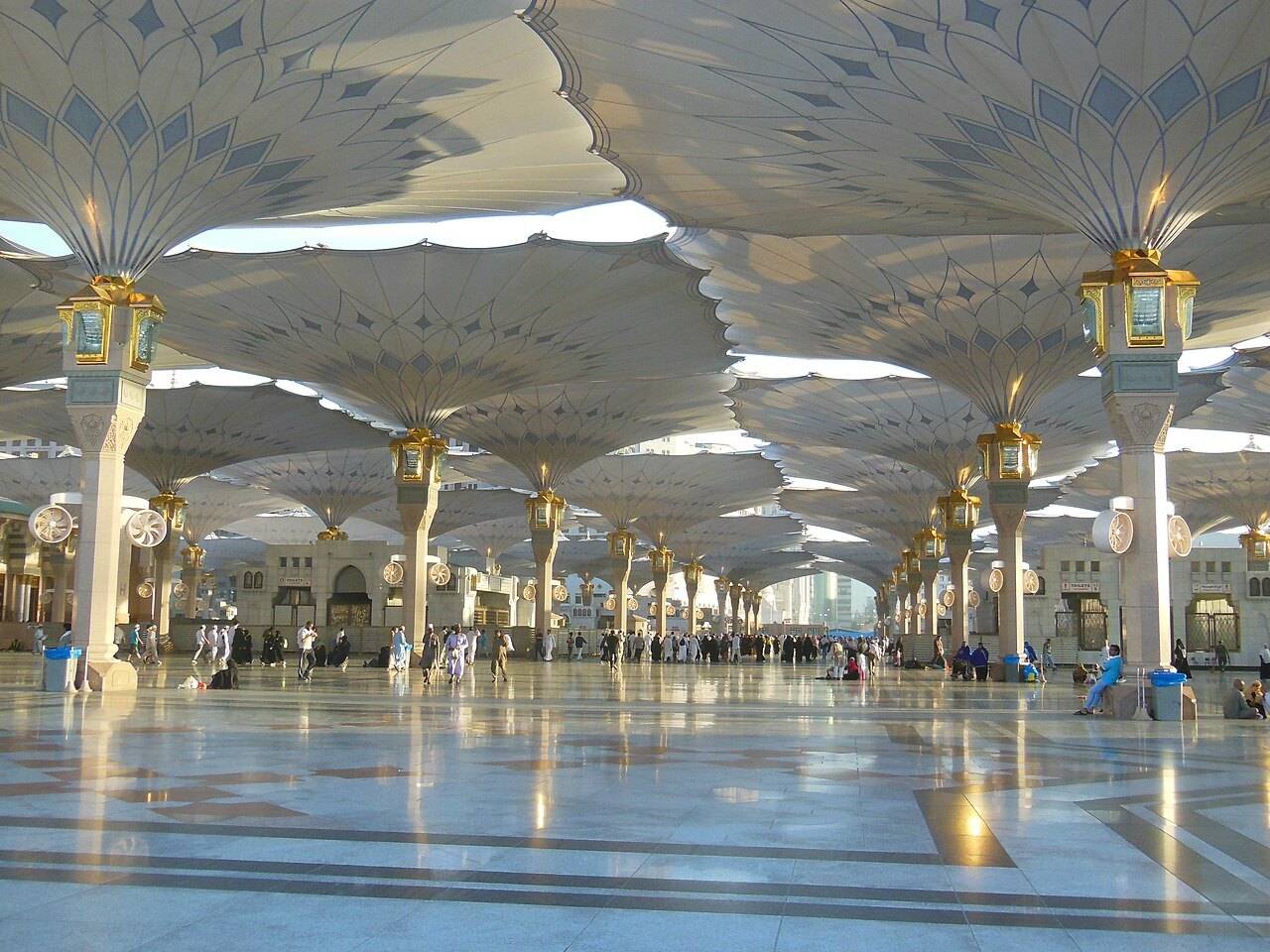
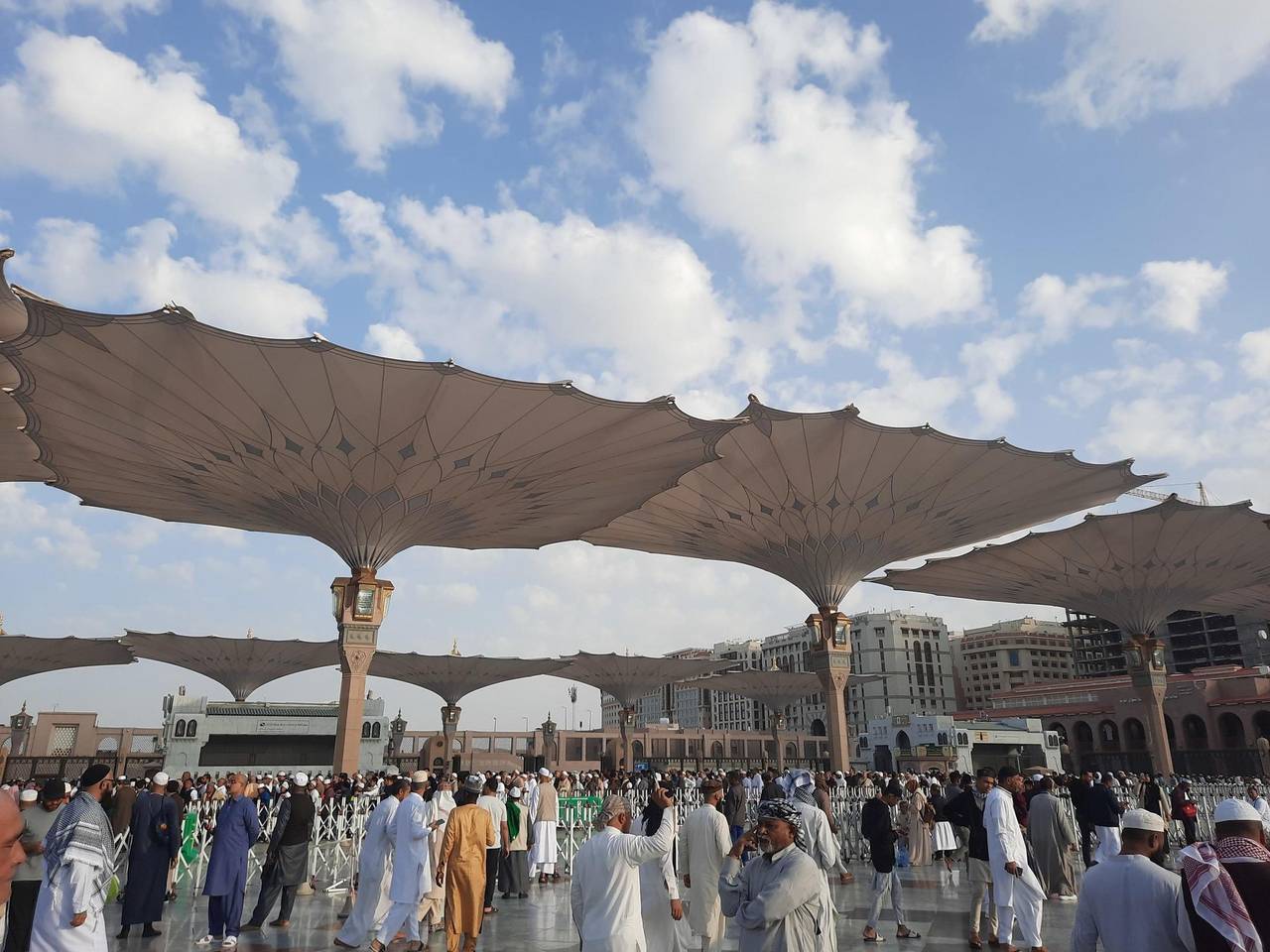
Fajr, Maghrib and Isha often create the most concentrated movement. Mid-morning and the middle of the night may feel calmer outside peak seasons, but group arrivals can change conditions quickly.
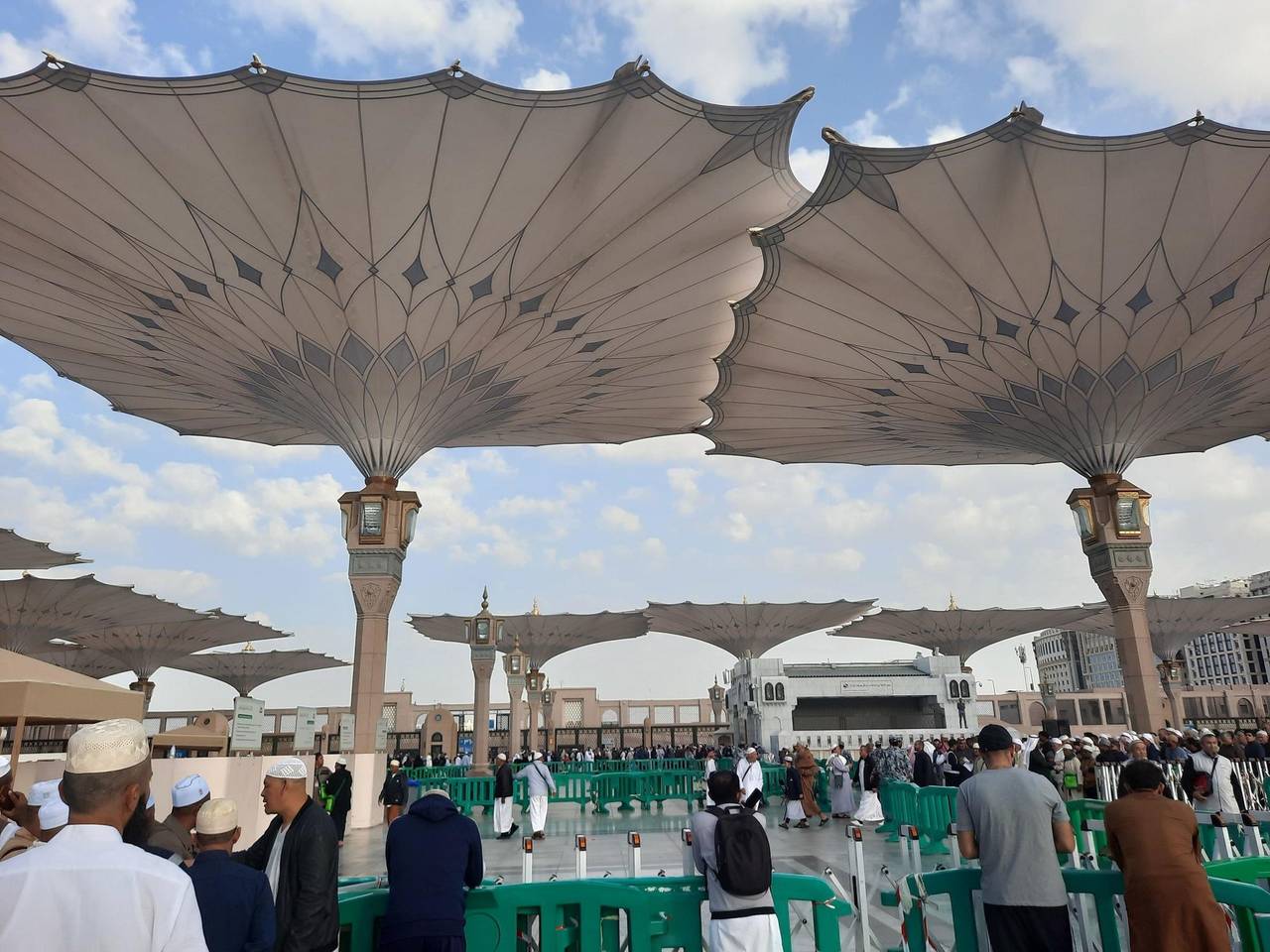
Arrive well ahead, carry only what you need, and select a realistic exit meeting point beyond the closest gate. Do not plan a tight train, tour or check-out immediately after prayer.
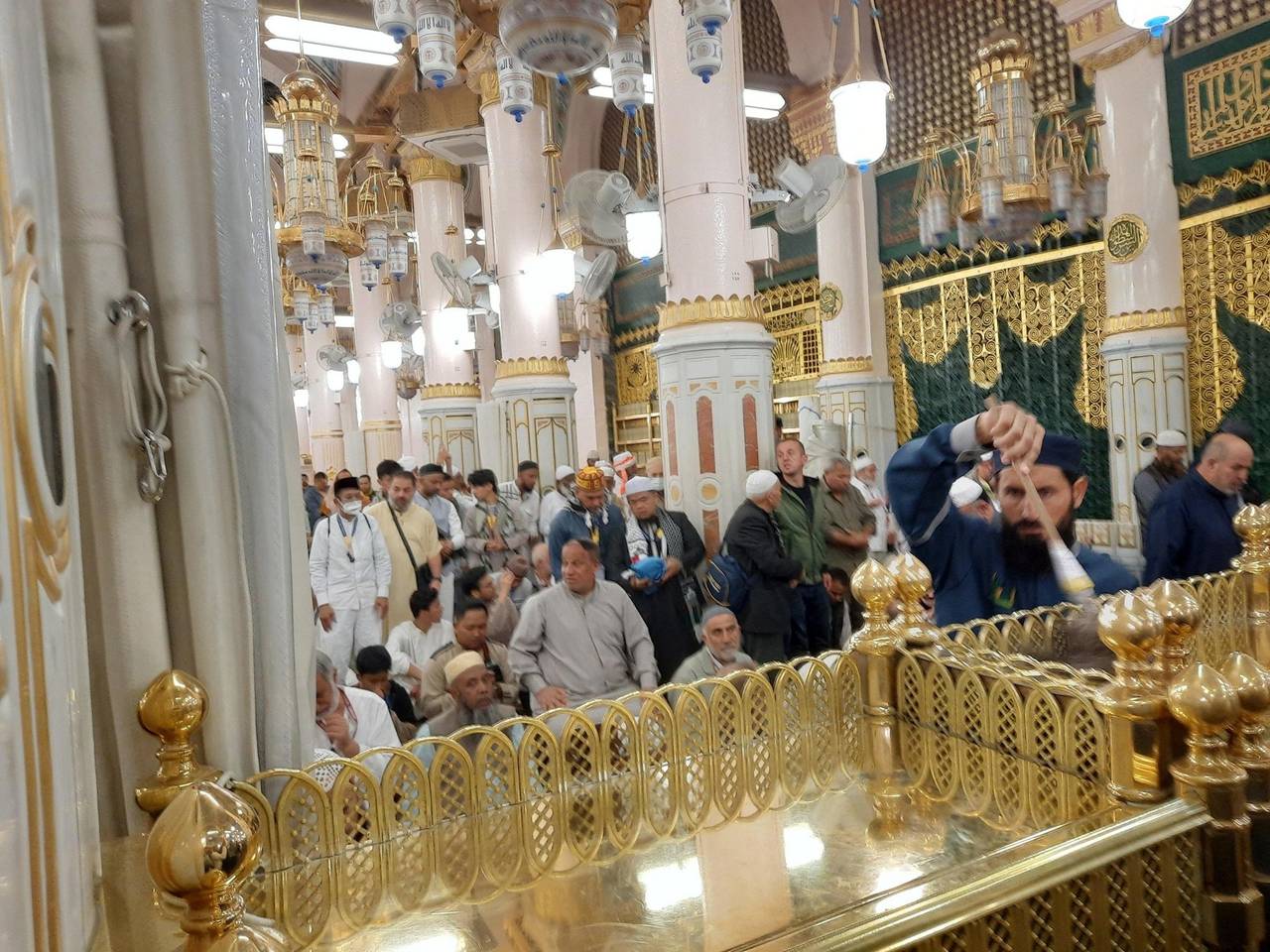
Arrive with enough buffer to find the designated approach, but do not crowd the gate before your slot becomes active. December 2025 published guidance placed entry through the southern courtyards opposite Makkah Gate 37 and permitted manual wheelchairs; check the app and signs because procedures can change.
Do not use a static timetable as your permit. Published windows differ for men, women and Fridays, and Ramadan schedules may be adjusted. The active Nusuk booking is the source of truth for your visit.
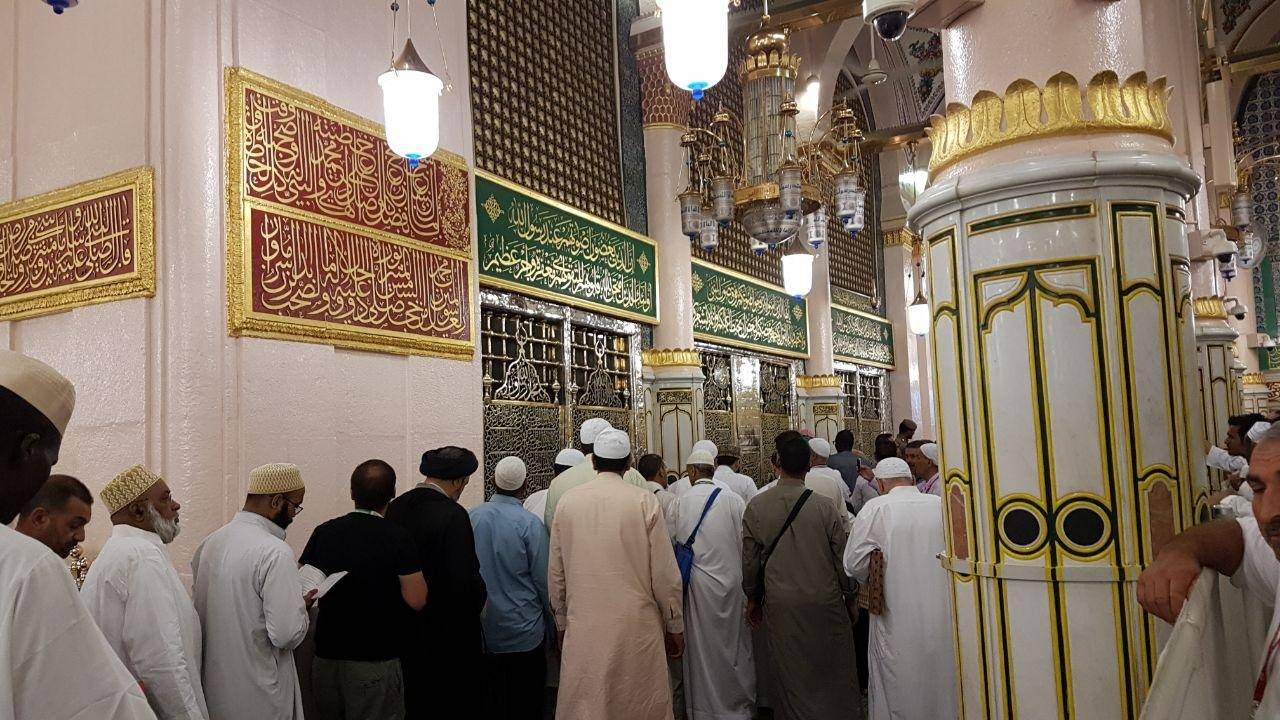
Visitor guidance recommends waiting rather than pushing when the area is crowded. Move calmly, keep voices low and accept a later attempt if staff redirect the flow.
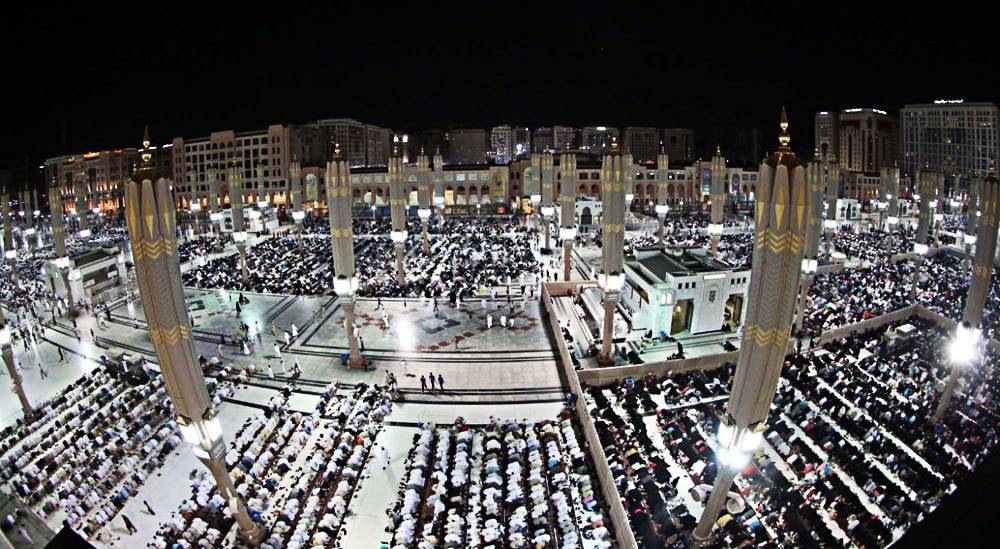
Coordinate meals, ablution, medications and transport before leaving the hotel. A permit slot can still involve waiting and walking; do not stack another time-sensitive booking immediately after it.
These are relative planning categories, not forecasts. The Islamic calendar moves through the solar year, and local school holidays, tour-group arrivals and official access controls can override a normal weekly pattern.
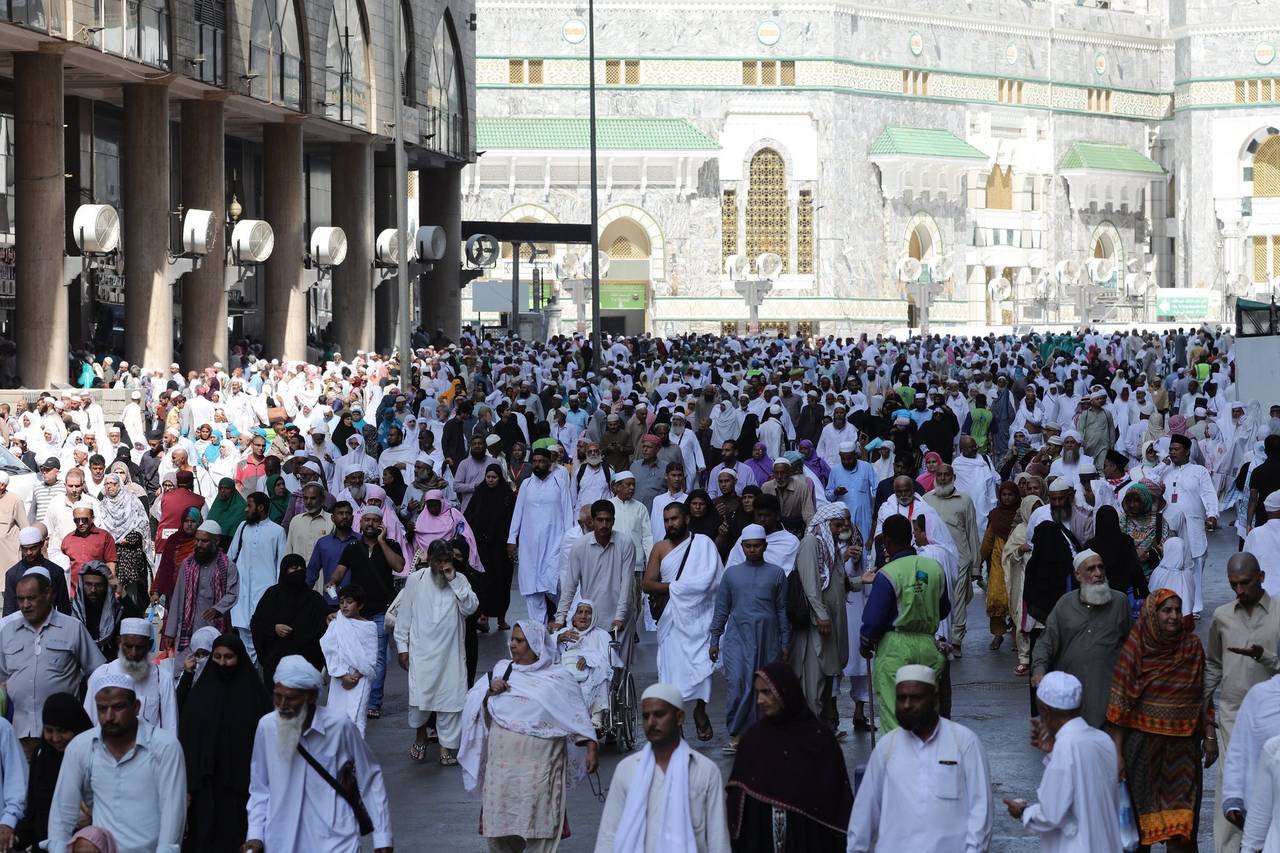
Midweek mornings are usually the best starting point. Keep prayer-wave buffers and never assume the Mataf or Rawdah approach will be empty.
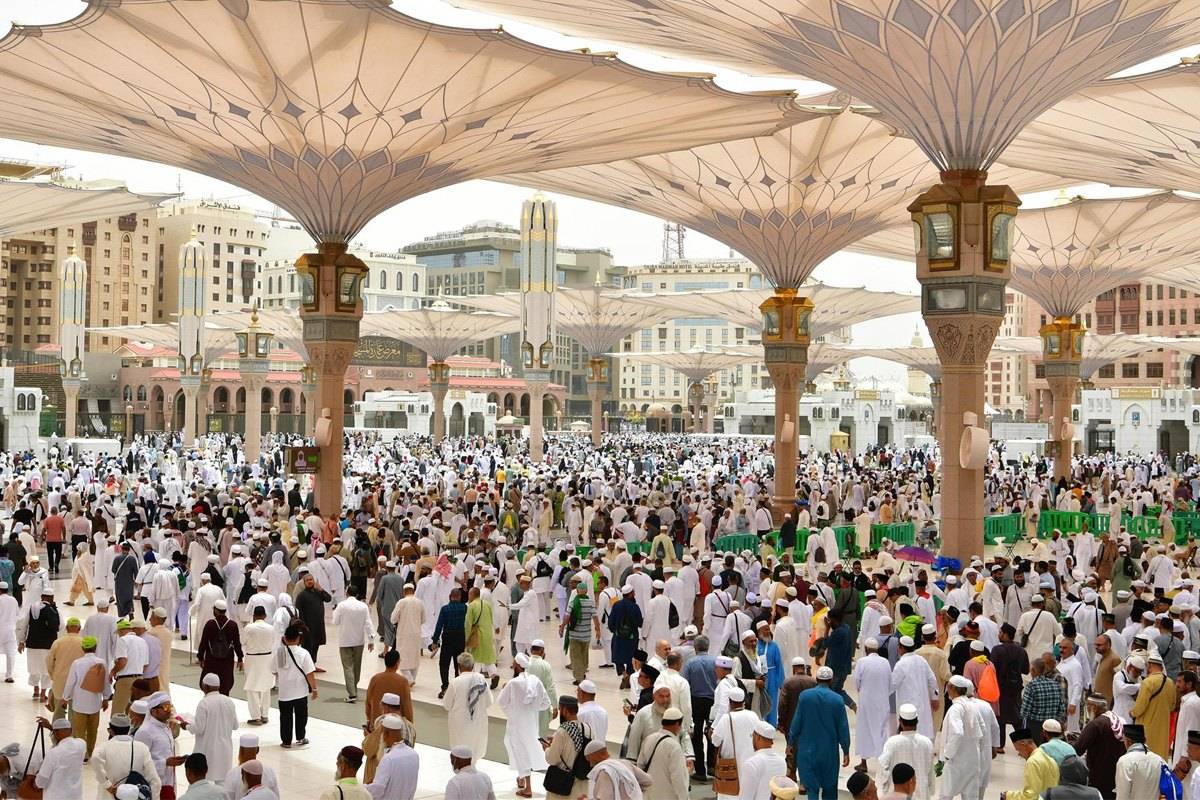
Friday and Saturday bring more local visitors and groups. Friday midday needs its own plan in both cities.
Maghrib through Taraweeh becomes the central peak. Heat and fasting make energy management as important as crowd timing.
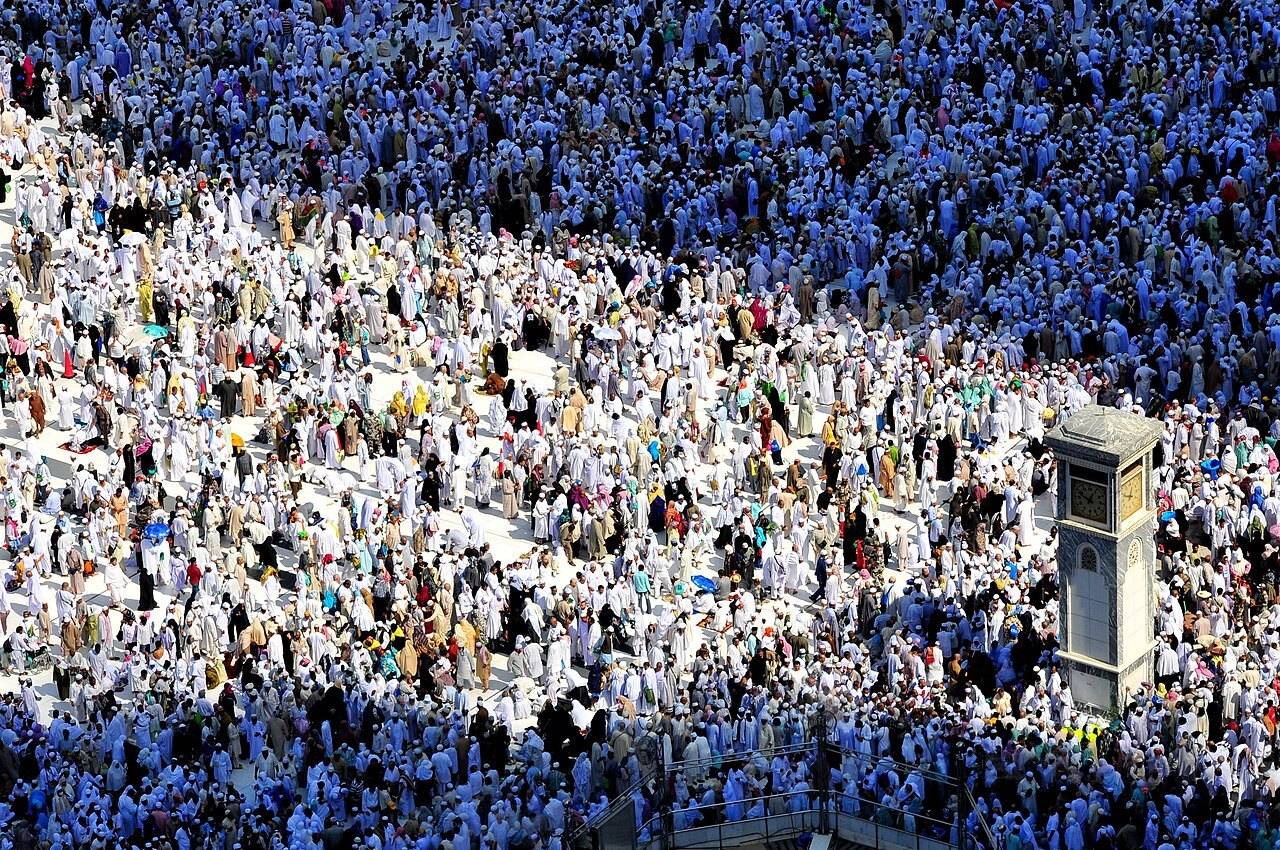
There may be no reliably calm hour. Expect restrictions, earlier filling and longer walking routes; Hajj access also depends on the applicable permits.
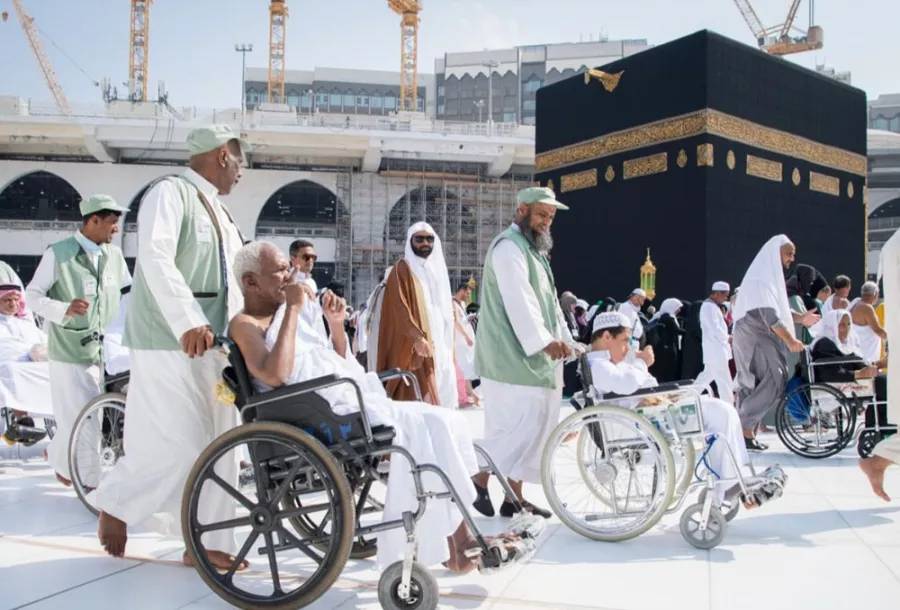
The safest schedule is not the one with the shortest theoretical wait. It is the one that protects energy, avoids sudden crowd compression and keeps the companion team together.
Timing advice combines official crowd-safety guidance, published Rawdah procedures and conservative planning heuristics around congregational prayer waves. It does not claim live density or guaranteed access.
Short answers on the best and worst times for tawaf, sa'i, prayers and the Rawdah.