Practical guidance for the guests of the Two Holy Cities.

Last updated: November 12, 2026

Makkah · Masjid al-Haram

Best Time for Tawaf Today

The calmer windows for tawaf, the peaks to avoid, and what to do when the Mataf is packed — a focused planning guide built on predictable prayer waves, not promises of an empty mosque.
Tawaf onlyBy prayer waveKids & wheelchairPlanning estimate
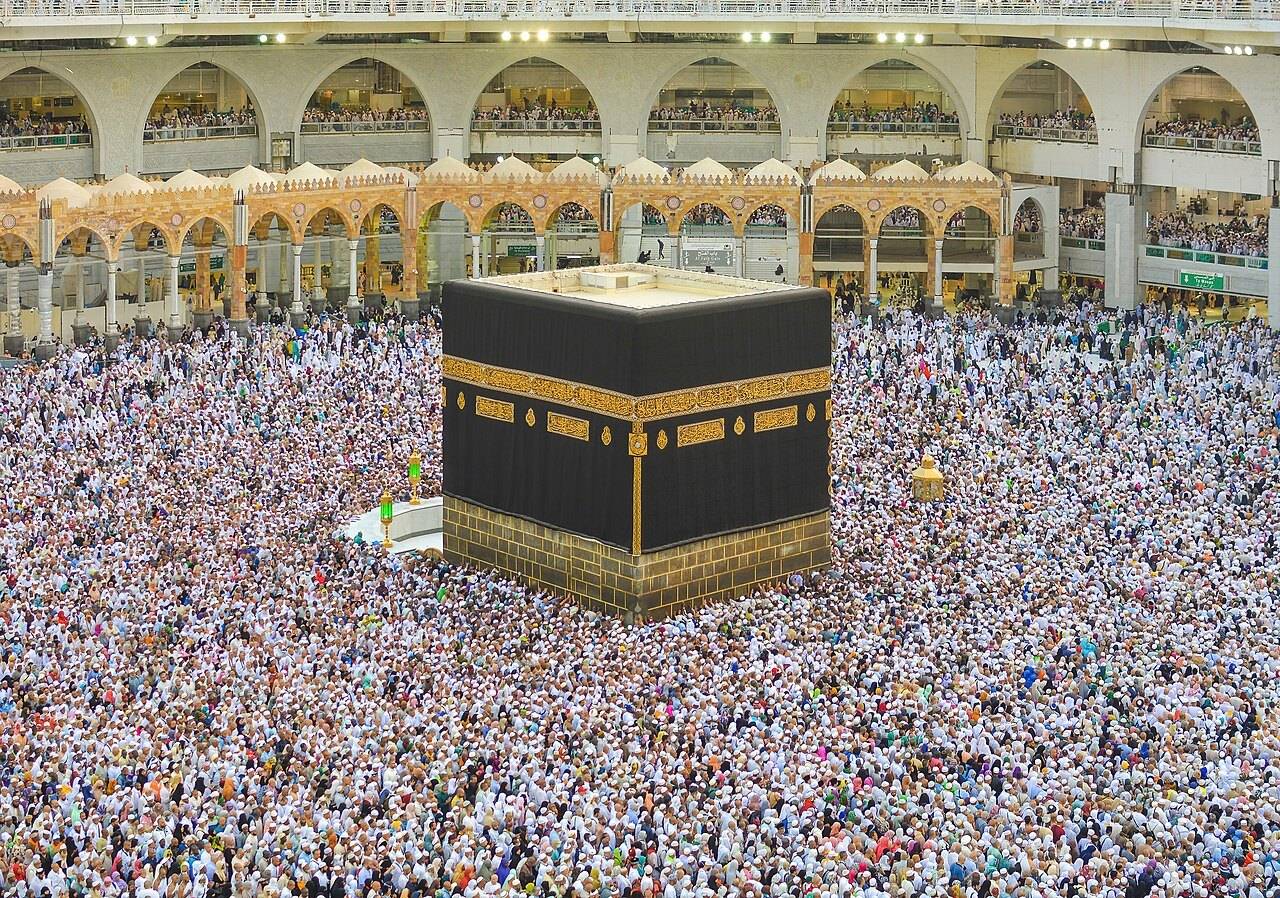
Pilgrims performing Tawaf around the Kaaba in Masjid al-Haram
Use this as a planning estimate, not live crowd data. Crowd levels change with tour groups, seasons and official access controls. On the ground, follow the signs and staff directions — they take priority over any plan on this page. Last reviewed 25 October 2026.

Prayer times

Loading today’s prayer times…

Best windows for tawaf

These are the windows that usually feel easier. “Usually” is doing real work here — check the access signs before you commit.

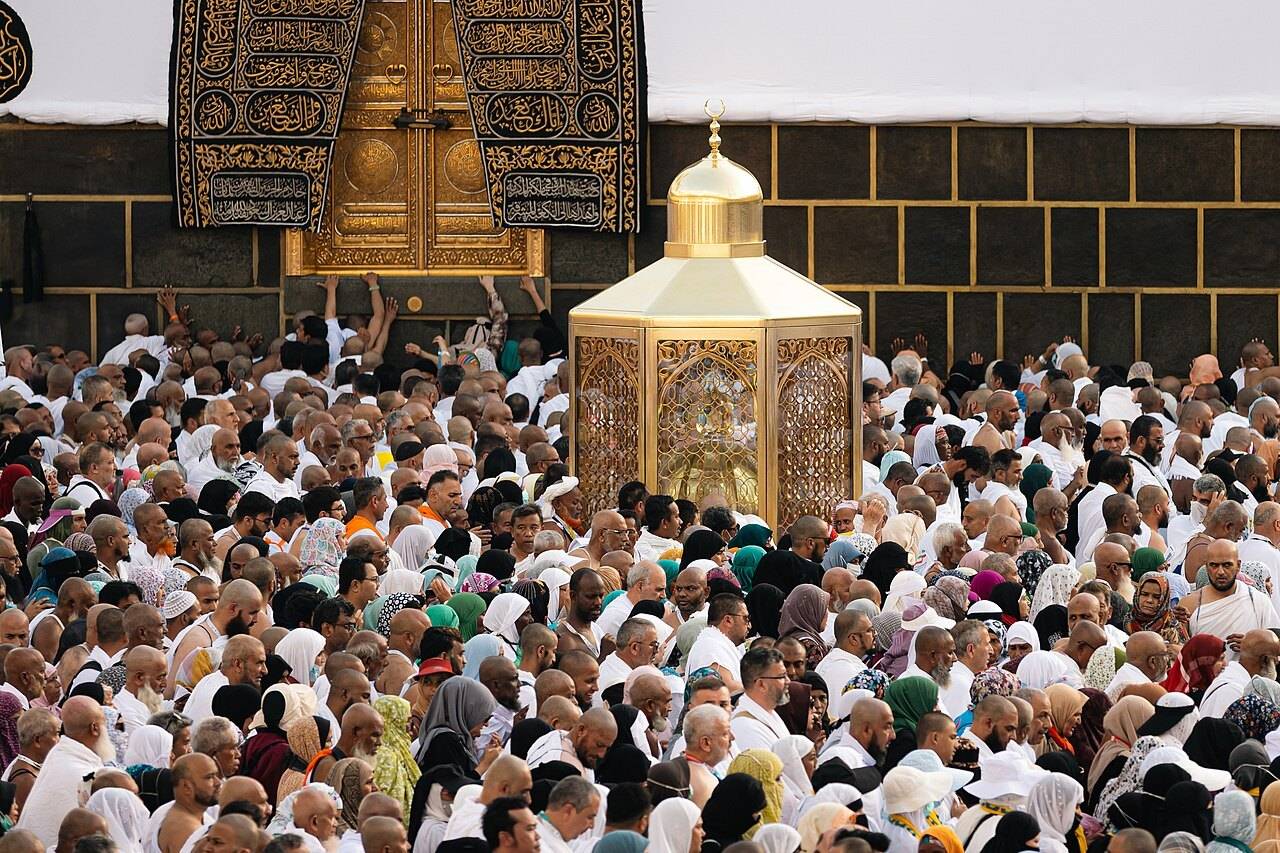
Pilgrims performing Tawaf around the Kaaba

After the Fajr exit wave settles

The first surge after Fajr prayer clears within a while. Once the exit flow has visibly settled, the Mataf often feels easier than it did during the prayer rush. Best first try on a regular day.
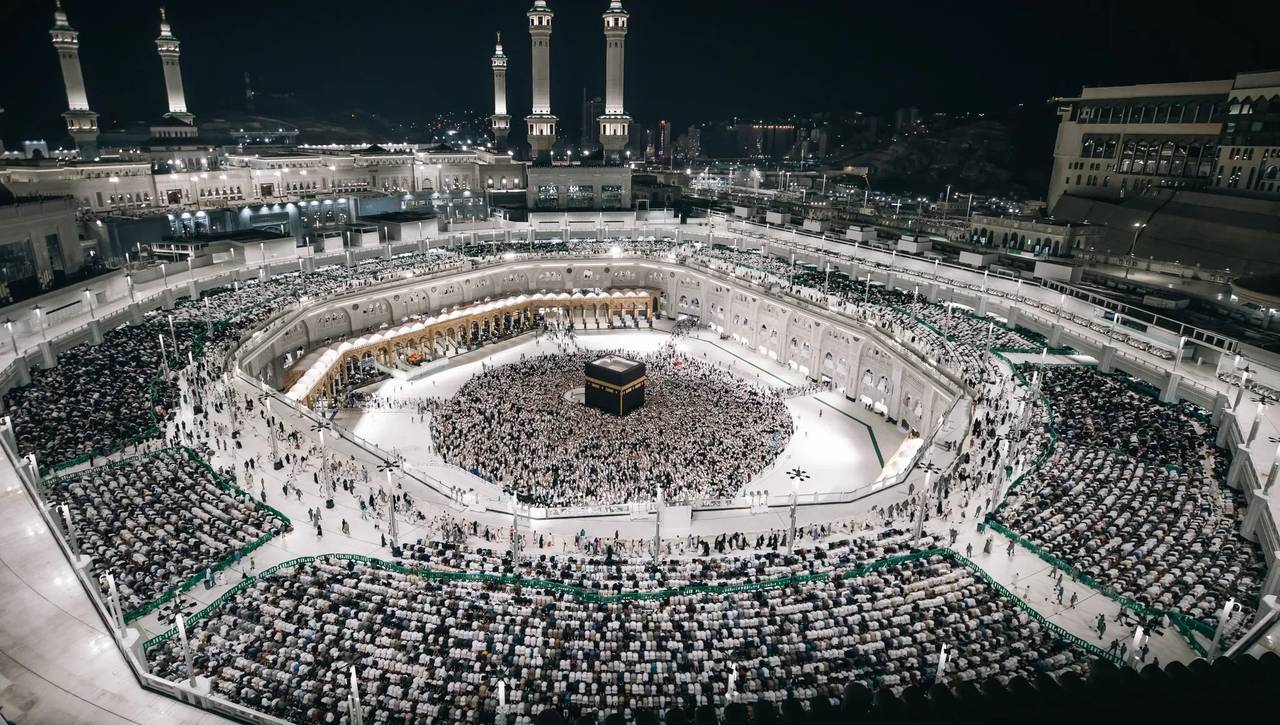
Large nighttime prayer crowd surrounding the Kaaba

A settled late-night window

After a late-night wave visibly settles, the Mataf can be calmer — but “late night” is not automatically quiet. Look at the active access signs and the flow around you before committing.
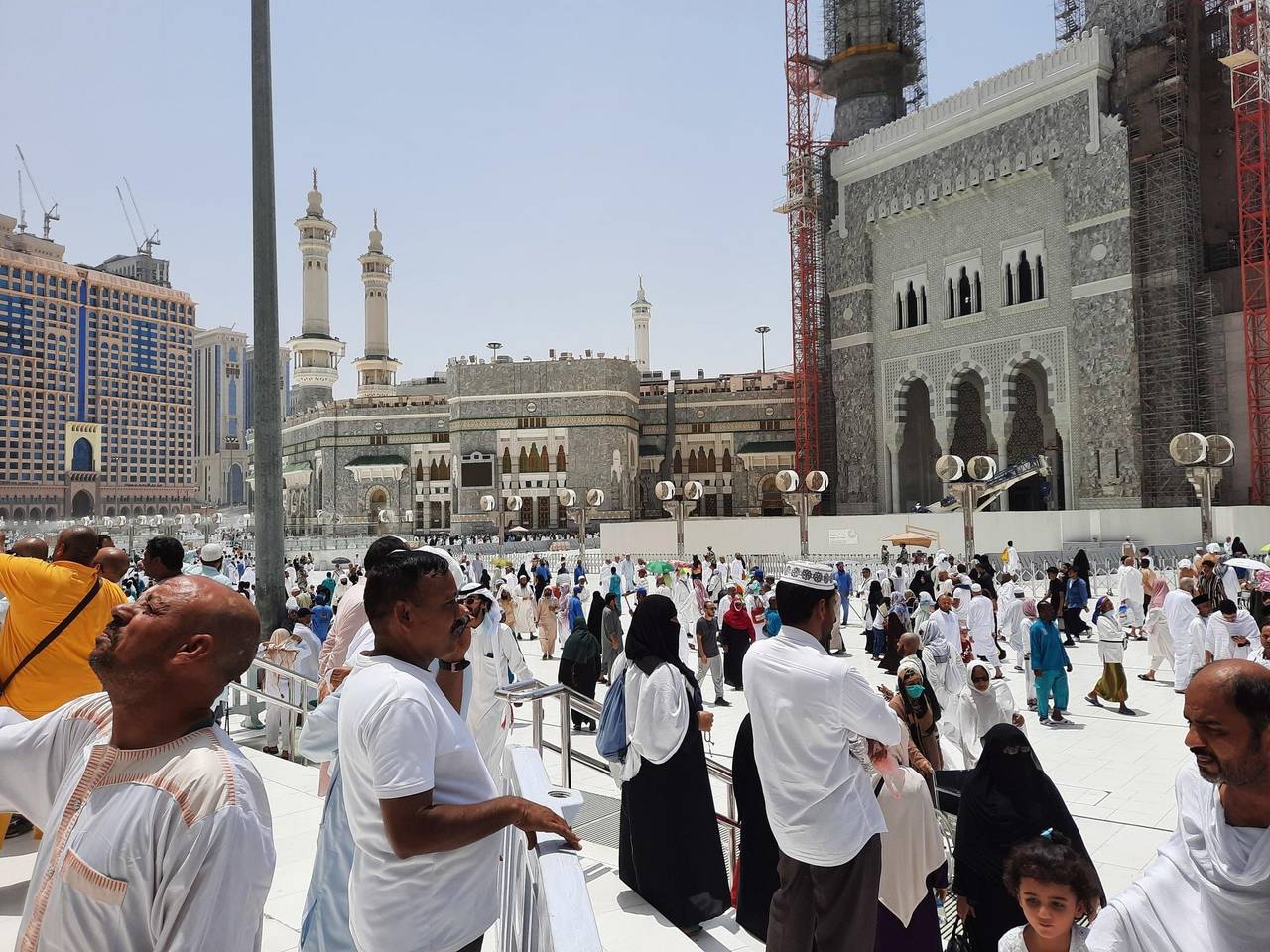
Pilgrims moving through the outer courtyard of Masjid al-Haram

Mid-morning, outside peak seasons

Between the morning prayer waves, mid-morning is often the most manageable window — especially midweek and outside Ramadan, Hajj and school holidays. Group arrivals can still change it quickly.

Windows to avoid if you can

Before each prayer, and the first exit surge after it

Pressure builds as worshippers arrive and releases in a surge when prayer ends. Joining either flow is the hardest way to start tawaf. Wait it out seated instead.

Friday midday — Jumu’ah

Treat late Friday morning through the post-prayer exit as one continuous peak. Arrive well before the mosque fills, and don’t plan a tight train, tour or check-out right after prayer.

Ramadan nights, especially the last ten

Maghrib, Isha, Taraweeh and Tahajjud dominate the night. In the last ten nights spaces can fill hours early, and there may be no reliably calm hour.

When the Mataf is packed

Follow staff to the available level

The Mataf is reserved for Umrah performers; when directed, use the available floors and keep moving with the flow. Don’t cross flows to reach a preferred floor.

One main objective per visit

In peak times, choose tawaf as the visit’s job. Don’t stack a long tawaf, Sa’i and an extended prayer stay into one trip.

Wait out the surge seated

After prayer, stay seated while the first exit surge clears. The extra minutes are easier than walking shoulder-to-shoulder.

Agree a meeting point first

Before you separate, agree a meeting point beyond the closest gate. Phones can lose signal in dense crowds.
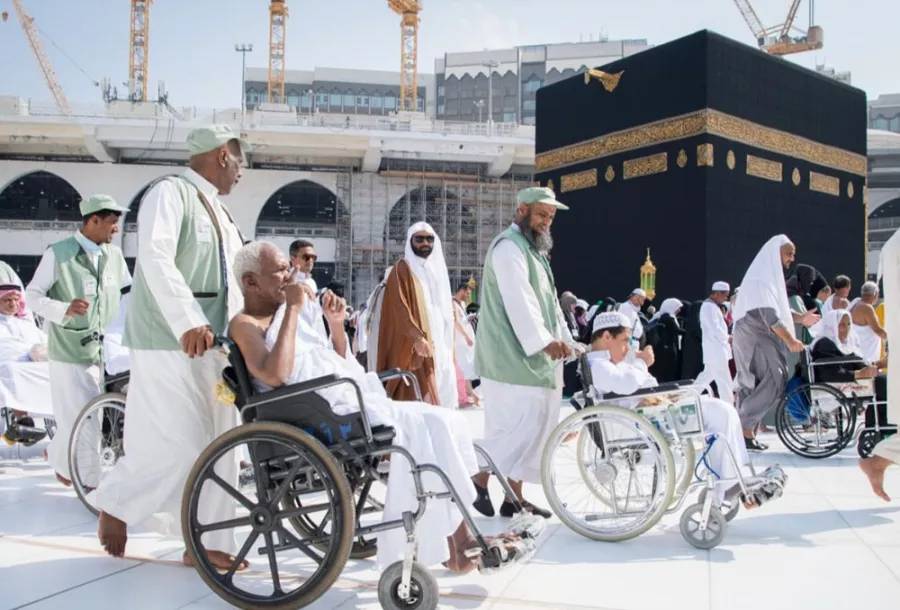
Elderly pilgrims using wheelchairs beside the Kaaba

Tawaf with kids, elderly pilgrims, or a wheelchair

The safest tawaf is not the fastest one. It is the one that protects energy, avoids sudden crowd compression and keeps the group together.

Use the designated cart and wheelchair levelsOfficial guidance directs people who need carts to designated levels. Follow staff rather than forcing the shortest route. See our wheelchair guide for gates and the Tanaqol app.
Carry a contact cardWrite the hotel name, phone and meeting gate on paper. Phones can run out of charge or lose signal in dense crowds.
Protect from heatAvoid choosing midday only because the crowd looks lighter. Shade, hydration and medication timing come first.
Split the effortDo tawaf in one rested block and Sa’i later if energy is low. Resting between the rites beats pushing through exhaustion.
Agree on a stop ruleDizziness, chest pain, confusion, breathlessness or unusual weakness means stop and seek on-site medical help — do not push through.
One adult, one job for kidsKeep little ones close, agree the meeting point in advance, and plan rests and water before anyone gets tired.

Sources & method

This guide uses the same method as our full crowd-timing guide: official crowd-safety guidance plus conservative planning around congregational prayer waves. It does not claim live density or guaranteed access.

Quick answers

Frequently asked questions

Short answers on the best and worst times for tawaf.

Best first try: after the immediate Fajr exit wave settles, or after a late-night wave visibly settles. Check today’s prayer times above and the active access signs — no hour is guaranteed empty.
Check the live crowd levels before you go — the official Mataf and Masa'a density page shows green, yellow and red levels for the Haram. On the ground, look at the active access signs and follow staff directions; no hour is guaranteed empty.
Pressure builds before each prayer and releases after it. Friday midday (Jumu’ah) is the busiest weekly window, and Ramadan’s final ten nights are an exceptional peak — especially Maghrib, Isha, Taraweeh and Tahajjud.
No. “Late night” is not automatically quiet; look at the active access signs before committing.
Treat late Friday morning through the post-prayer exit as one continuous peak. Arrive well before the mosque fills, and don’t plan a tight train, tour or check-out right after prayer.
Maghrib, Isha, Taraweeh and Tahajjud dominate the night. In the last ten nights spaces can fill hours early, and there may be no reliably calm hour — choose one main objective per visit.
Yes — follow staff to the designated cart and wheelchair levels; see our wheelchair guide for gates and the Tanaqol app. With kids: one main effort, rests, a contact card, and water.